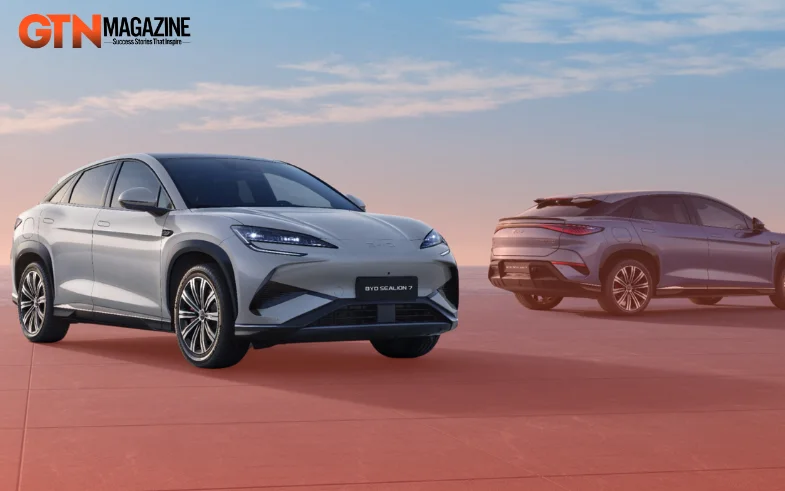
Chinese electric vehicle giant BYD is expected to surpass Tesla as the world’s largest seller of fully electric vehicles on a calendar-year basis for the first time, marking a significant shift in the global EV market.
The milestone comes as both automakers prepare to release their final sales figures for 2025. Based on publicly available data, industry analysts widely expect BYD to officially move ahead of its U.S. rival when the numbers are confirmed.
In a statement released on Thursday, BYD reported that sales of its battery-electric vehicles rose nearly 28% year over year, reaching approximately 2.26 million units in 2025. Tesla has yet to publish its annual delivery figures, though estimates suggest the company recorded about 1.6 million vehicle deliveries during the year.
Tesla reports deliveries rather than direct sales, a metric it uses as a close proxy for consumer demand. According to consensus estimates compiled earlier this week, Tesla’s 2025 deliveries are expected to be roughly 8% lower than in 2024, placing the company on course for a second consecutive annual decline.
BYD’s ascent underscores its rapid transformation from a regional manufacturer into a dominant global force in electric mobility. The company’s growth contrasts sharply with Tesla’s more volatile year, marked by intensifying competition from Chinese automakers and broader market pressures.
Tesla’s performance in 2025 has been uneven. Shares dropped sharply in the first quarter amid slowing EV demand and reputational concerns linked to public statements by CEO Elon Musk. The stock later rebounded, reaching a record closing high of $489.88 last month after Musk highlighted progress in testing fully driverless vehicles in Austin, Texas.
Despite the late-year rally, Tesla’s sales momentum appears to have softened, while BYD’s expanding international footprint and competitive pricing have helped it gain ground across multiple markets.
If confirmed, BYD’s lead would represent a symbolic turning point in the electric vehicle industry, reflecting the growing influence of Chinese manufacturers in shaping the future of global automotive demand.