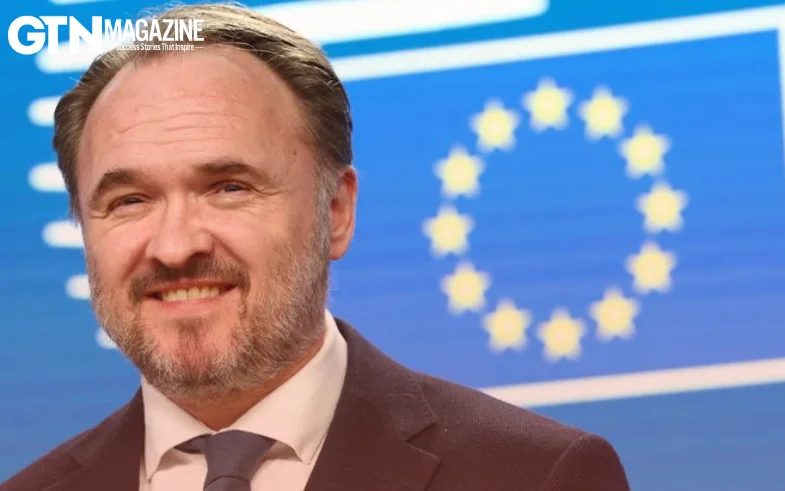
European energy prices are unlikely to return to normal levels in the near future, even if the ongoing Iran conflict comes to an end, the European Union has warned, pointing to persistent supply pressures and tight global markets. Speaking after a meeting of EU energy ministers, Dan Jørgensen said that while there are currently no immediate shortages across the bloc, significant strain remains on key fuel segments, particularly diesel and jet fuel, alongside increasing constraints in global gas supplies.
He stressed that even a swift resolution to the conflict would not lead to an immediate correction in prices. According to him, structural pressures within energy markets are expected to keep costs elevated for the foreseeable future.
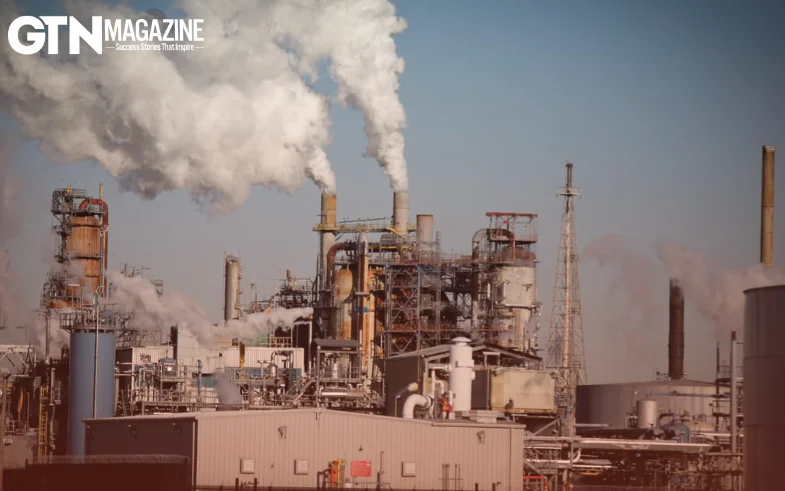
Since the start of the conflict, Europe has experienced a sharp surge in energy costs, with gas prices rising by approximately 70% and oil prices increasing by around 60%. The financial impact has been significant, with the European Union’s fossil fuel import bill climbing by an estimated €14 billion.
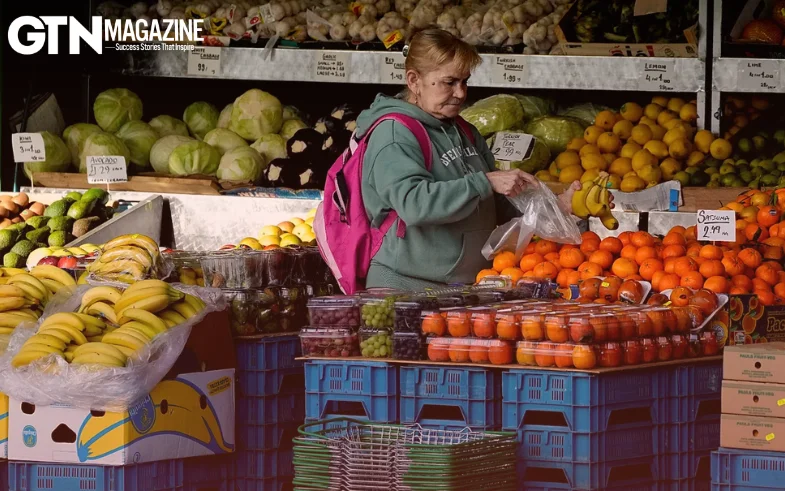
The sustained rise in energy costs is also feeding into electricity prices, further increasing the burden on households and businesses across the region.
In response, the European Commission is preparing a range of measures aimed at mitigating the impact. These include potential steps to decouple gas prices from electricity pricing, as well as discussions around reducing electricity taxes.
Ursula von der Leyen has also suggested tax cuts as part of broader efforts to ease the financial pressure on consumers.
Additionally, the EU is considering financial support mechanisms for vulnerable households and industries facing heightened cost pressures. A windfall tax on companies benefiting from elevated energy prices remains under consideration, though no final decision has been announced.
Officials have emphasised the importance of coordinated action among member states to avoid fragmented responses that could disrupt market stability.
Beyond immediate measures, the EU continues to pursue long-term energy security strategies. The bloc remains committed to reducing reliance on Russian gas, which has already declined significantly in recent years. Efforts are underway to secure alternative supplies from countries including the United States, Azerbaijan, Algeria and Canada.
At the same time, policymakers are encouraging behavioural changes to reduce energy demand. Recommendations aligned with the International Energy Agency include increased remote work, lower motorway speeds and greater use of public transport.
Despite these efforts, officials acknowledge that the energy market faces structural challenges that cannot be resolved quickly. The combination of geopolitical tensions, supply constraints and evolving demand patterns is expected to keep prices elevated in the near term.
As Europe navigates these pressures, the focus remains on balancing immediate relief measures with long-term resilience in the energy system.