Five European nations and Japan have said they are ready to support efforts to secure the Strait of Hormuz, as escalating conflict in the Middle East continues to disrupt global shipping and energy flows. In a joint statement, Britain, France, Germany, Italy, the Netherlands and Japan condemned recent attacks on commercial vessels and said they were prepared to “contribute to appropriate efforts” to ensure safe passage through the strategic waterway.
However, the statement did not outline specific actions or the level of military or logistical support that could be deployed.
The move comes as concerns grow over the stability of the Strait of Hormuz, a critical global energy route that carries around 20% of the world’s oil and significant volumes of liquefied natural gas.
Maritime data indicates that while the strait has not been fully closed, traffic remains significantly reduced. Around 90 vessels transited the route in the first two weeks of March, well below normal levels.
Analysts say the waterway is operating selectively, with some vessels allowed passage while others face heightened risks or delays.
The crisis began on February 28 following military strikes by the United States and Israel on Iran, which triggered increased threats to shipping in the Gulf.
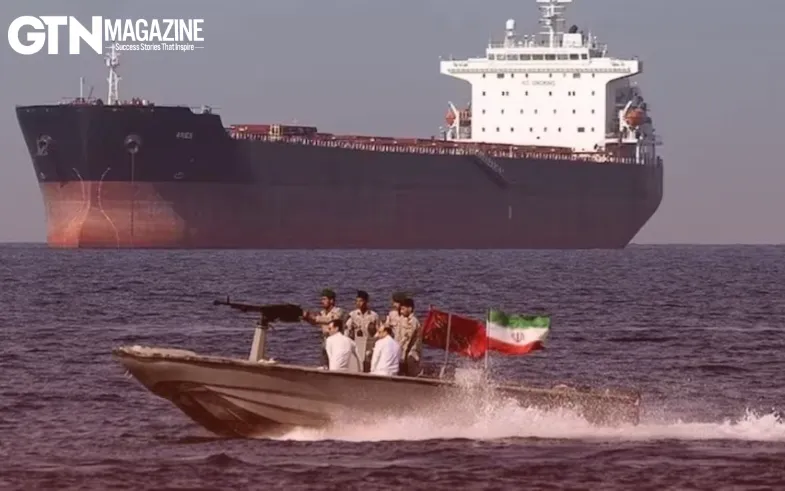
Since then, multiple vessels have been attacked or damaged, including a container ship that was forced to be abandoned after being struck while transiting the strait.
Shipping companies have responded by delaying voyages or rerouting vessels, while others have slowed operations as they assess security risks.
Iran has warned it may target ships attempting to pass through the strait if attacks on its territory continue, adding to uncertainty in global markets.
Despite the disruption, some oil shipments have continued, with trade data indicating that exports from the region have not been completely halted.
The ongoing instability has contributed to rising oil prices and increased shipping costs, as insurers and operators factor in elevated risks in the region.