Gold and silver markets experienced dramatic volatility on Monday, as prices first plunged to multi-month lows before staging a sharp recovery following signals of possible de-escalation in the Middle East conflict. The sudden swings came after US President Donald Trump announced a temporary pause in military action against Iran, citing “productive conversations” aimed at resolving tensions — a development that briefly eased investor anxiety across global markets.
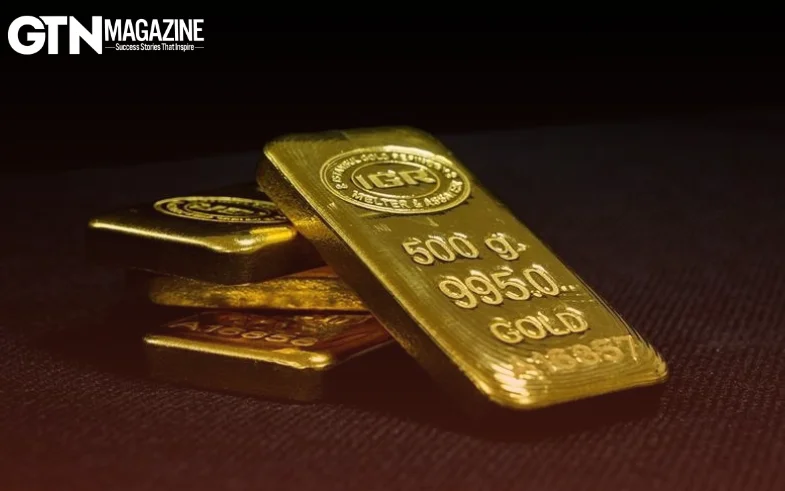
Gold Drops, Then Rebounds Sharply
Spot gold fell to a 2026 low of around $4,100 per ounce during early trading, reflecting mounting pressure from rising oil prices, a stronger US dollar, and expectations of higher interest rates.
However, the metal quickly reversed course, rebounding above $4,400 per ounce within hours of Trump’s announcement — marking a sharp intraday swing of nearly $300.
Despite the recovery, gold remains significantly below its January record high of $5,594.82, having declined more than 20% in recent weeks.
Silver Faces Steeper Decline
Silver has been hit even harder by the current market conditions. Prices have fallen nearly 40%–50% from recent highs, marking one of the steepest declines in the metal’s modern trading history.
Spot silver dropped to around $61.76, down nearly 9% in a single session and almost half of its late-February levels, when geopolitical tensions began escalating.
The scale of the decline has surprised investors, particularly those who had positioned precious metals as safe-haven assets during the conflict.
Oil Shock and Interest Rate Fears Weigh on Metals
The primary driver behind the sell-off is the surge in oil prices, which has triggered broader concerns about inflation and monetary policy tightening.
As crude prices remain elevated, bond yields have climbed and the US dollar has strengthened — both of which typically reduce the appeal of non-yielding assets like gold and silver.
A stronger dollar makes precious metals more expensive for global buyers, while higher interest rates increase the opportunity cost of holding assets that do not generate income.
Safe-Haven Shift Toward Dollar and Bonds
In the current environment, investors appear to be shifting toward alternative safe havens, particularly the US dollar and government bonds.
The dollar has strengthened notably in recent weeks, reinforcing its position as a preferred hedge amid uncertainty. At the same time, rising yields on government securities have attracted capital away from precious metals.
This shift has challenged gold’s traditional role as a crisis hedge, raising questions about its short-term positioning in the current macroeconomic landscape.
Historical Trends Suggest Volatility Is Normal
Despite the recent decline, market experts caution against writing off gold’s long-term potential. Historically, gold has experienced sharp corrections even during extended bull runs.
Analysts note that previous rallies — including those during the 1970s and early 2000s — were marked by repeated periods of volatility before reaching new highs.
The current phase, while turbulent, may reflect similar cyclical behaviour rather than a structural decline.
Outlook Remains Uncertain
Looking ahead, the trajectory of precious metals will likely depend on the evolution of the Middle East conflict and its impact on energy markets.
If oil prices continue to rise and inflation pressures persist, central banks may maintain or increase interest rates — a scenario that could further weigh on gold and silver.
Conversely, any shift toward economic slowdown or monetary easing could restore gold’s appeal as a store of value.
For now, the market remains highly reactive, with geopolitical developments driving rapid shifts in investor sentiment.