
A disruption to helium production in Qatar is raising global supply concerns, with potential risks emerging for healthcare services, particularly MRI operations. Strikes on Qatar’s Ras Laffan gas hub have affected helium output, triggering warnings of tighter supply as shipments face delays and logistical disruptions.
Qatar accounts for nearly one-third of global helium production, making any disruption significant for industries that rely on the gas.
Helium is a critical resource used in sectors such as semiconductor manufacturing and medical imaging. While the technology sector may be able to manage short-term disruptions through diversified supply chains, the healthcare sector faces more immediate challenges.
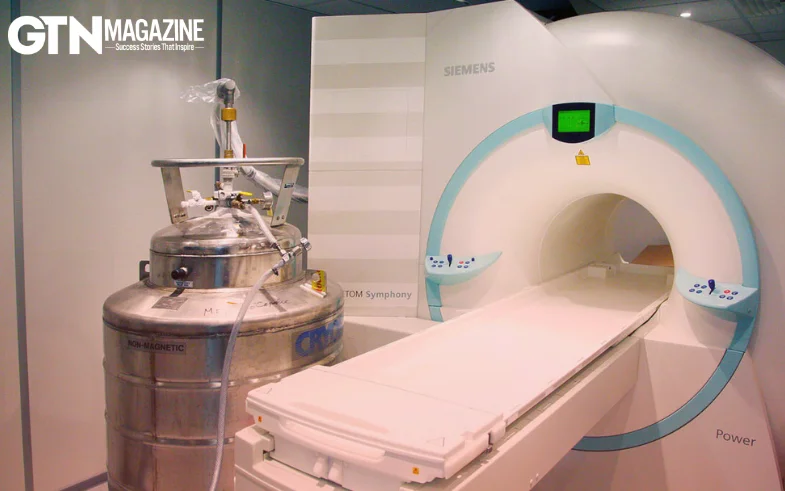
MRI machines depend on liquid helium to maintain extremely low temperatures required for operation. Without sufficient supply, these systems cannot function.
Industry experts say that a shortage could lead to some MRI machines being taken offline, particularly if helium is unavailable for refilling after maintenance or technical issues.
While semiconductor manufacturers are expected to adjust through alternative supply routes and prioritization strategies, hospitals have fewer options to mitigate supply shortages.
Helium is produced as a byproduct of natural gas extraction, with additional supply coming from countries such as the United States, Algeria, and Canada. However, any prolonged disruption in Qatar could tighten global availability.
The extent of the impact will depend on how long the disruption lasts and how quickly global supply chains can respond.