

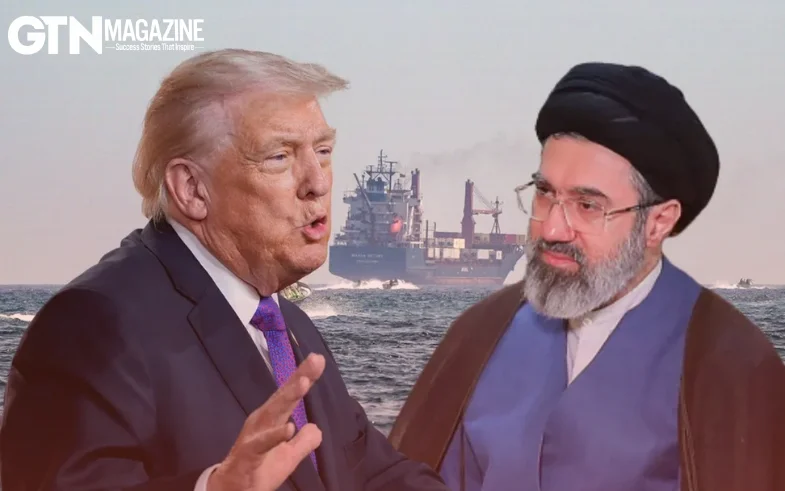
Iran has set firm preconditions for entering negotiations with the United States, stating that talks to end the ongoing conflict cannot proceed unless Israel halts its military actions in Lebanon and frozen Iranian assets are released. Mohammad Bagher Ghalibaf, Speaker of Iran’s parliament, issued the warning ahead of scheduled diplomatic talks in Islamabad, where US and Iranian officials are expected to meet in an effort to de-escalate the ongoing Iran war.
Ghalibaf emphasised that two critical commitments remain unfulfilled—namely, a ceasefire in Lebanon and the unfreezing of Iranian financial assets—both of which he described as essential prerequisites for meaningful dialogue.
The statement comes as a US delegation led by JD Vance arrived in Pakistan to participate in the negotiations. The delegation is also reported to include senior figures such as Steve Witkoff and Jared Kushner.
Despite the tensions, Vance expressed cautious optimism about the upcoming discussions, indicating that the United States remains open to constructive engagement, provided Iran negotiates in good faith. He also warned that any attempt to undermine the process would be met with a firm response.
The diplomatic push follows a fragile two-week ceasefire agreement brokered earlier this week between the two sides. However, the truce remains under strain, with several unresolved issues continuing to fuel uncertainty.
One major concern is Iran’s continued restriction of shipping traffic through the Strait of Hormuz, a critical global energy corridor through which roughly 20% of the world’s crude oil supply is transported. Disruptions in the strait have heightened global economic concerns and intensified pressure on both sides to reach a resolution.
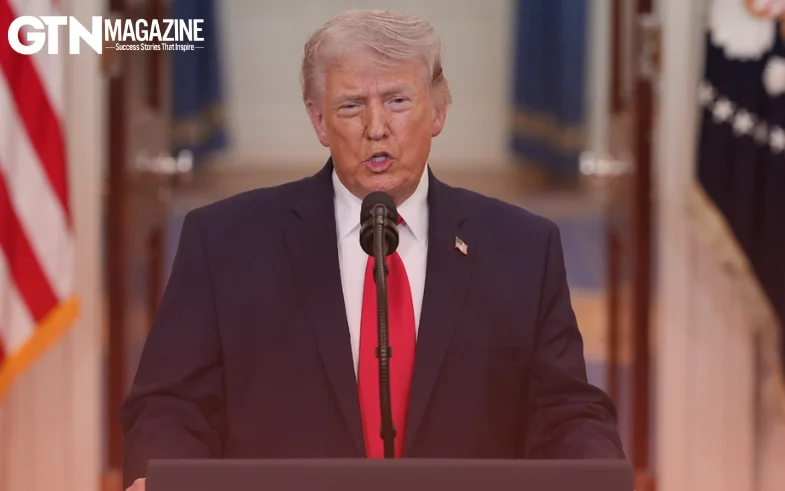
Donald Trump has publicly expressed frustration over reports that Iran may be imposing restrictions or fees on oil tankers passing through the route. He urged Tehran to ensure the free flow of energy supplies, warning against actions that could escalate tensions further.
The outcome of the Islamabad talks is expected to play a crucial role in determining whether the ceasefire can be stabilised or whether the conflict risks further escalation. With geopolitical stakes high and global markets closely watching, the coming days are likely to be decisive for both diplomacy and economic stability.