

The European Union has put its tariff agreement with the United States on hold, citing renewed legal and political uncertainty surrounding US trade measures, while Italy has called for calm and continuity to protect its export-driven economy.
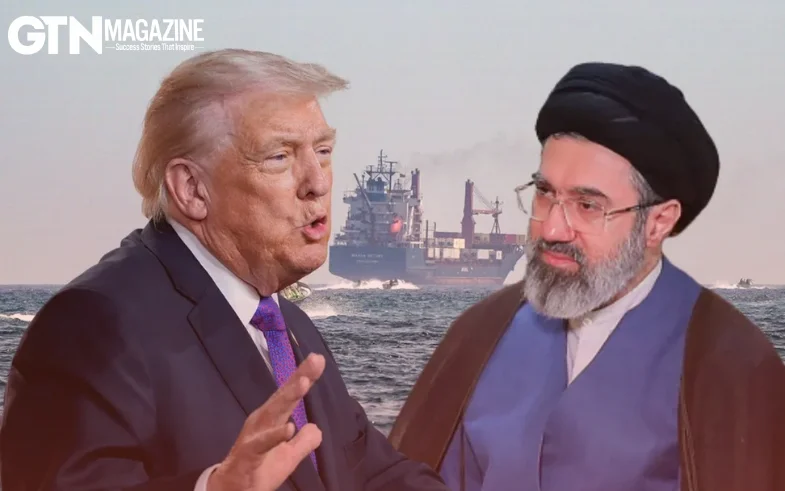
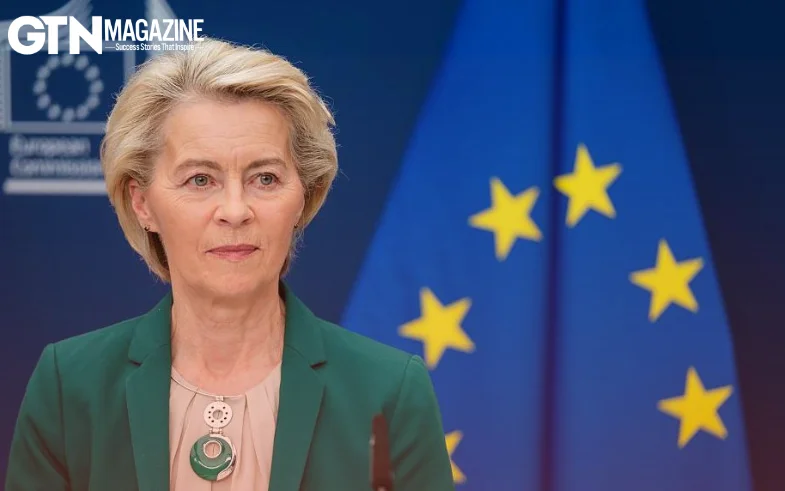
The deal, reached last summer between US President Donald Trump and European Commission President Ursula von der Leyen, provided for a 15% tariff rate on most EU exports to the US, with the bloc removing duties on several American goods in return.
However, the European Parliament’s trade committee has postponed a planned ratification vote after Washington introduced additional tariff steps under Section 122 of the 1974 Trade Act. Lawmakers say the new measures create uncertainty about how tariffs will be applied and whether additional duties could be layered on top of the agreed ceiling.
Bernd Lange, the Parliament’s rapporteur on the EU–US tariffs file, said more time is needed to assess the implications. A new vote could take place in March, depending on developments.
Analysts note that while the agreed 15% rate remains intact on paper, effective tariffs on certain products could climb closer to 20% if additional measures are combined.
Italian Foreign Minister Antonio Tajani urged against escalating tensions. Speaking after meetings in Brussels, Tajani stressed the importance of preserving transatlantic ties and safeguarding Italy’s export sector.
“Approximately 40% of our GDP is based on exports,” he said, adding that Italy seeks to avoid confrontation and ensure the existing agreement is respected. Tajani also ruled out any trade war with Washington, describing the US as Europe’s main ally and a crucial trading partner.
Italy recently convened a “Duties Task Force” involving dozens of companies and trade associations to assess potential impacts on exporters. Rome has adopted a conciliatory tone, saying it has received assurances from US officials regarding efforts to avoid instability for European businesses.
Meanwhile, German Chancellor Friedrich Merz described uncertainty as harmful to both European and American economies. He signalled plans to visit Washington to discuss the tariff issue directly with Trump, noting that trade policy remains an EU-level competence.
Within Italy, political pressure is building on Prime Minister Giorgia Meloni. Opposition figures argue that Rome has not taken a strong enough public stance in response to the evolving US tariff framework.
For now, Brussels is maintaining what officials describe as “utmost caution,” keeping duties within the 15% framework while seeking clarity from Washington. With political and legal questions still unresolved, the EU’s wait-and-see approach may test the durability of transatlantic trade relations in the months ahead.