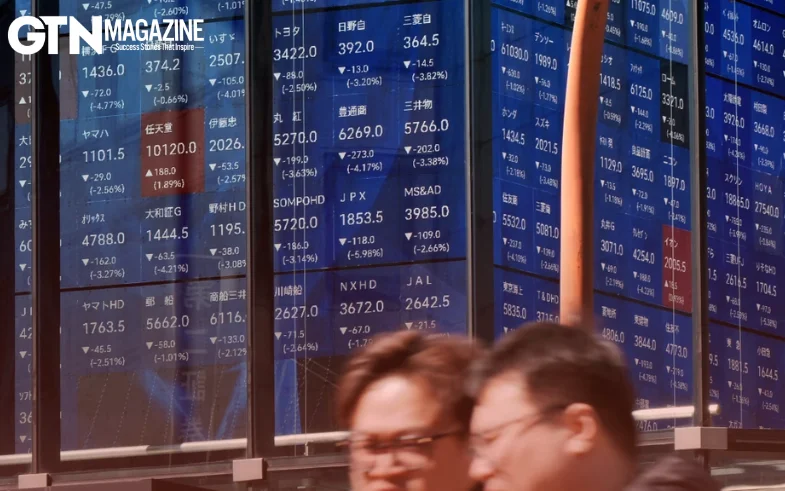
Equity markets in Japan and South Korea opened higher on Monday, as investors reacted cautiously to escalating geopolitical tensions in the Middle East and fresh remarks from former U.S. President Donald Trump regarding the ongoing Iran conflict. Japan’s benchmark Nikkei 225 advanced 0.62%, while the broader Topix index edged up 0.23%. In South Korea, the Kospi climbed 1.8%, with the small-cap Kosdaq gaining nearly 1%, reflecting investor optimism despite heightened global uncertainty.
Market activity across Asia remained muted, with several major exchanges closed for holidays, including those in Australia, Hong Kong, mainland China, and Taiwan.
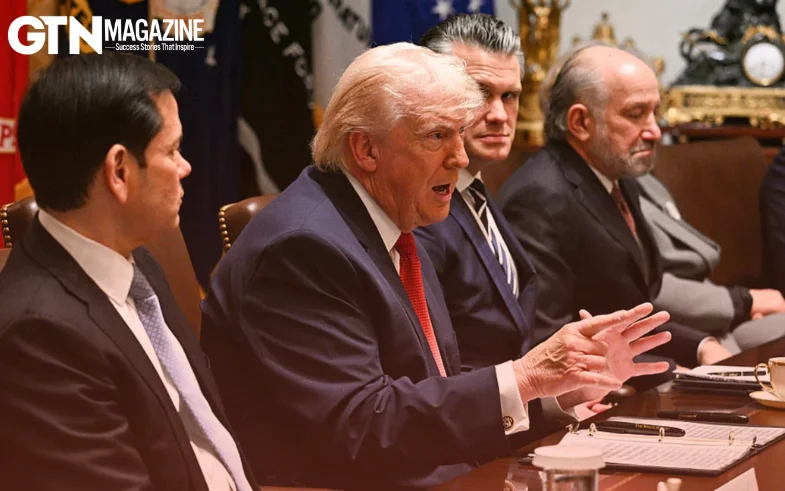
Investor sentiment was shaped largely by Trump’s latest statements, in which he warned of potential military strikes on Iran’s infrastructure if the Strait of Hormuz is not fully reopened. A deadline set for Tuesday has intensified concerns over a possible escalation in the conflict.
The Strait of Hormuz, a critical global energy corridor, previously handled nearly one-fifth of the world’s oil supply. Ongoing disruptions have heightened fears of prolonged supply constraints and volatility in energy markets.
Oil prices extended their rally, with U.S. West Texas Intermediate (WTI) crude rising to around $114 per barrel, while Brent crude climbed above $111. The gains came despite a modest output increase announced by OPEC+ members, as the conflict continues to limit actual supply flows.
Meanwhile, Iran has rejected the ultimatum, stating that full reopening of the strait would depend on compensation for war-related damages. The situation remains fluid, with continued strikes targeting economic infrastructure across the Gulf region.
Global markets reflected mixed reactions. U.S. stock futures declined overnight, with the Dow Jones Industrial Average futures falling by 0.5%, while S&P 500 and Nasdaq futures also posted losses.
Analysts note that while Asian equities showed resilience, investor sentiment remains fragile, with oil prices and geopolitical developments expected to drive near-term market direction.