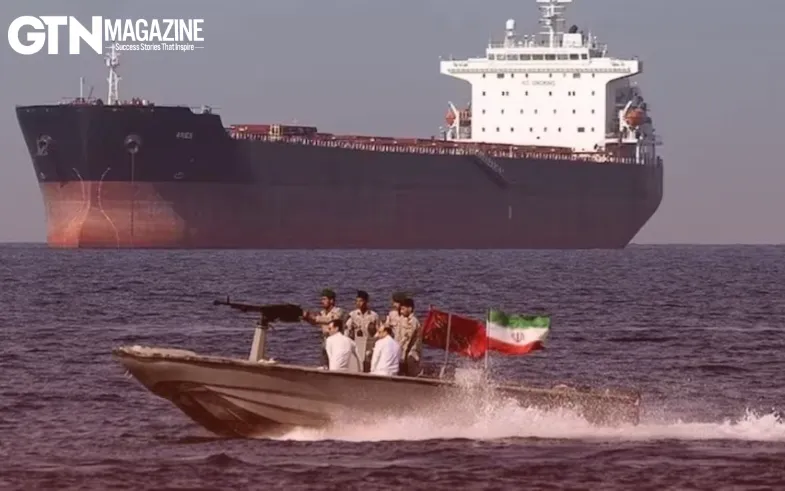


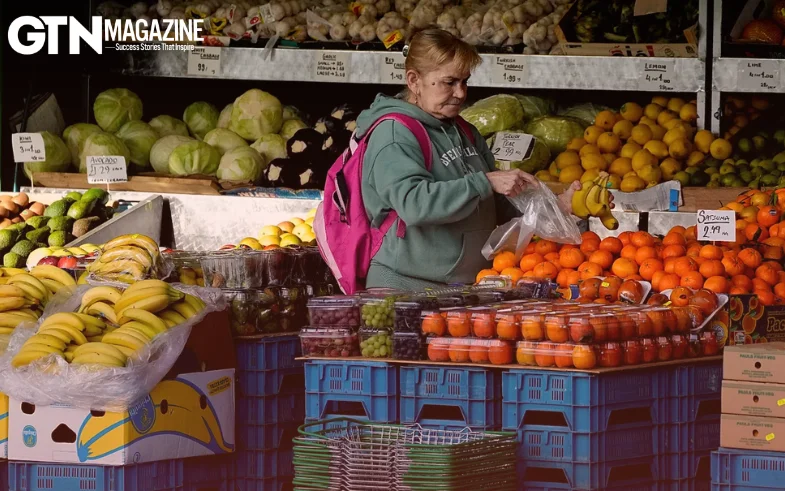
The ongoing Middle East conflict is expected to push food prices higher across Europe, as rising oil, energy, and fertiliser costs disrupt global supply chains and increase production expenses. Experts warn that the crisis, triggered by tensions involving Iran and military actions involving the United States and Israel, has already driven oil prices above $100 per barrel, with further economic impacts likely in the coming months.
Energy and Fertiliser Costs Fuel Inflation
Rising energy prices are expected to play a central role in driving food inflation. Increased costs for fuel, transportation, and logistics are affecting every stage of the food supply chain — from farming to distribution.
At the same time, fertiliser prices are projected to rise by 15–20% in the first half of 2026, according to global estimates. Higher fertiliser costs directly impact agricultural production, forcing farmers to either absorb losses or reduce usage, which could lead to lower crop yields later in the year.
Experts note that much of the world’s oil and fertiliser supply passes through the Strait of Hormuz, which has been disrupted by the conflict, intensifying supply constraints.
Three Key Drivers of Rising Food Prices
According to global analysts, food inflation in Europe is being driven through three main channels:
- Energy Costs: Higher fuel and natural gas prices are increasing costs for transport, irrigation, storage, and food processing.
- Fertiliser Prices: Global supply disruptions and rising gas prices are making fertilisers more expensive, raising farming costs.
- Biofuel Demand: Higher oil prices are boosting demand for biofuels, diverting crops like maize and soybean away from food production.
This combination is expected to tighten global grain supplies and push consumer food prices higher across European markets.
Most Exposed European Economies
Several European countries are particularly vulnerable due to their dependence on energy imports and industrial infrastructure.
Countries such as the Netherlands and Belgium face significant exposure due to their large refining and petrochemical hubs. Meanwhile, Germany, as Europe’s largest diesel consumer, is also highly impacted.
Other major economies, including France, Italy, and Spain, are expected to feel the effects due to their reliance on fuel for transportation, aviation, and agriculture.
Natural gas dependency further increases vulnerability, with many European nations relying on liquefied natural gas shipments passing through the Gulf region.
Impact May Be Delayed but Significant
While some effects may not be immediately visible, experts suggest that the full impact on food prices could emerge later in 2026 due to the time lag between rising energy costs and retail price increases.
Previous crises, such as the 2022 Russia-Ukraine conflict, demonstrated how energy shocks can lead to sharp increases in food inflation across Europe.
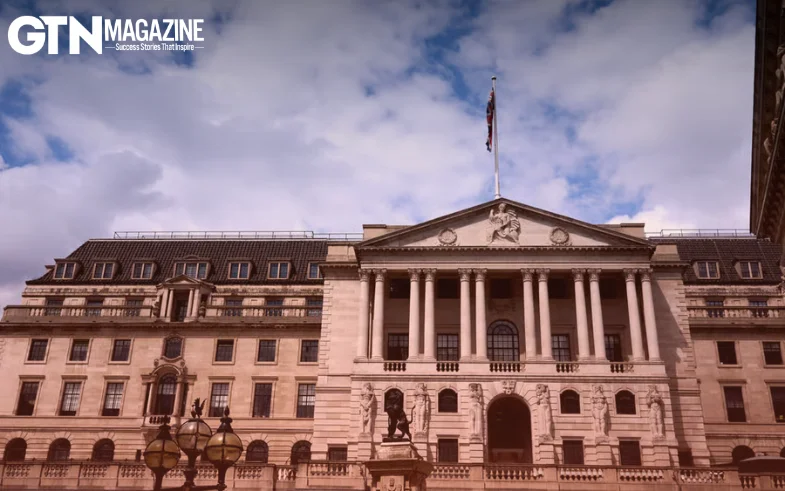
As the situation continues to evolve, policymakers are closely monitoring supply chains and inflation trends, with concerns growing over the rising cost of living across the region.