

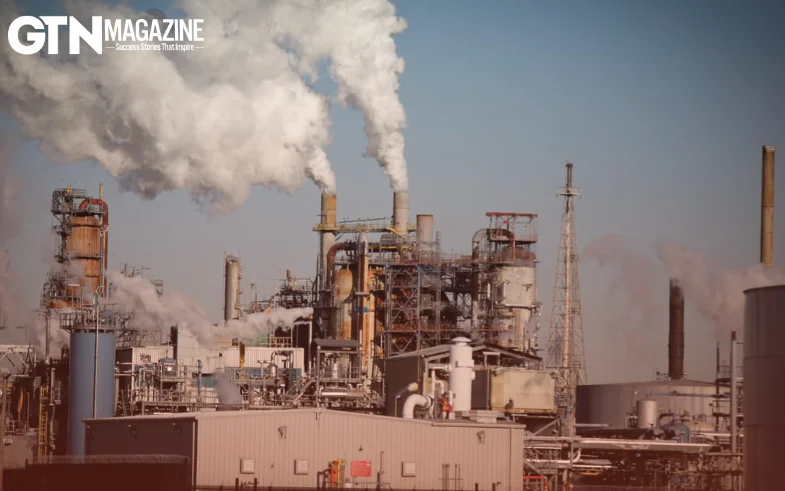
Global oil prices continued their upward momentum during Asian trading hours, driven by ongoing supply disruptions in the Middle East and fresh signals from Donald Trump suggesting a potential U.S. withdrawal from the Iran conflict. Brent crude futures for June delivery climbed around 1.5% to $105.56 per barrel, while U.S. West Texas Intermediate (WTI) crude for May rose a similar margin to approximately $102.92 per barrel. The gains come after an extraordinary month for oil markets, with Brent recording its strongest monthly rally since the late 1980s and WTI marking its best performance in years.
The surge has been largely fueled by escalating tensions in the Persian Gulf, where attacks on energy infrastructure and shipping routes have intensified concerns over global supply. Reports of drone strikes targeting fuel facilities in Kuwait further heightened fears of prolonged disruptions in the region.
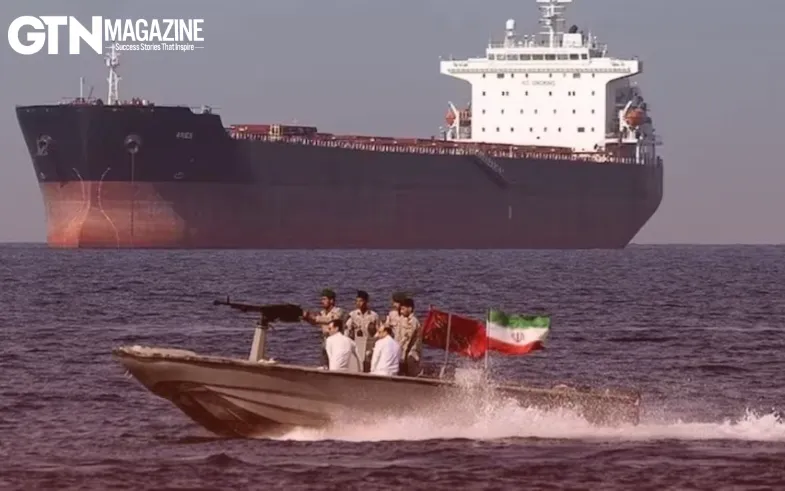
A key factor behind the rally is the near shutdown of the Strait of Hormuz, one of the world’s most critical energy corridors. Before the conflict, roughly 20% of global oil shipments passed through this route, making its disruption a major shock to international energy markets.
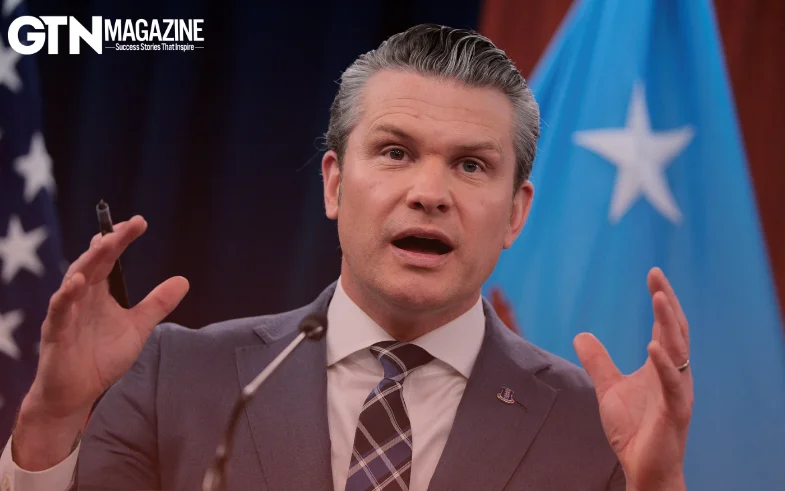
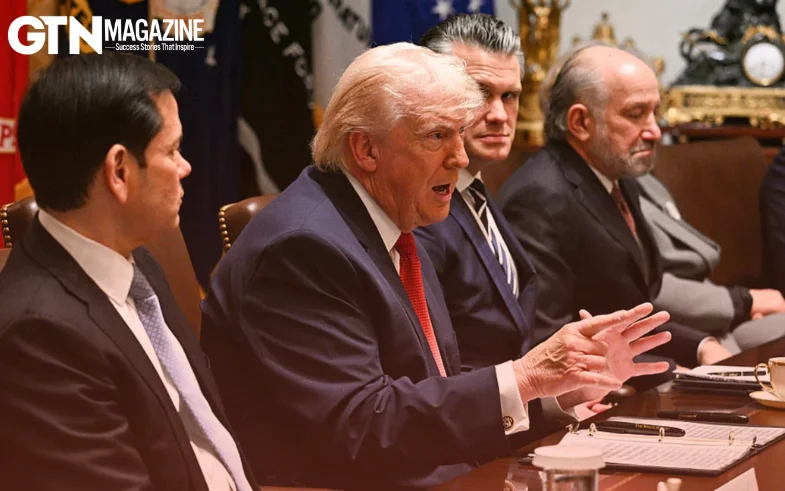
At the same time, remarks from Donald Trump have added a layer of uncertainty. The U.S. leader indicated that American forces could exit Iran within “two to three weeks,” suggesting a possible shift in military strategy. However, ongoing hostilities and threats from Iran have kept markets on edge.
Iran’s Revolutionary Guard has reportedly warned of targeting U.S.-linked companies in the region, naming major global corporations such as Google, Microsoft, Apple, Intel, IBM, Tesla, and Boeing, raising concerns about broader economic fallout.
Despite signals of a potential U.S. withdrawal, analysts caution that the situation remains highly volatile. Energy markets are reacting not only to military developments but also to the uncertainty surrounding future supply flows and geopolitical stability.
Statements from Iranian officials suggest that while communication channels with the U.S. remain open, there are currently no formal negotiations underway to end the conflict.