

Crude oil prices edged lower on Sunday as markets assessed the impact of political upheaval in Venezuela following the overthrow of former president Nicolás Maduro, adding uncertainty over future oil production in the OPEC member state.
U.S. crude fell to around $57 per barrel, while Brent crude slipped to about $60.50, as investors weighed the potential for near-term supply disruptions against the possibility of higher output in the longer term.
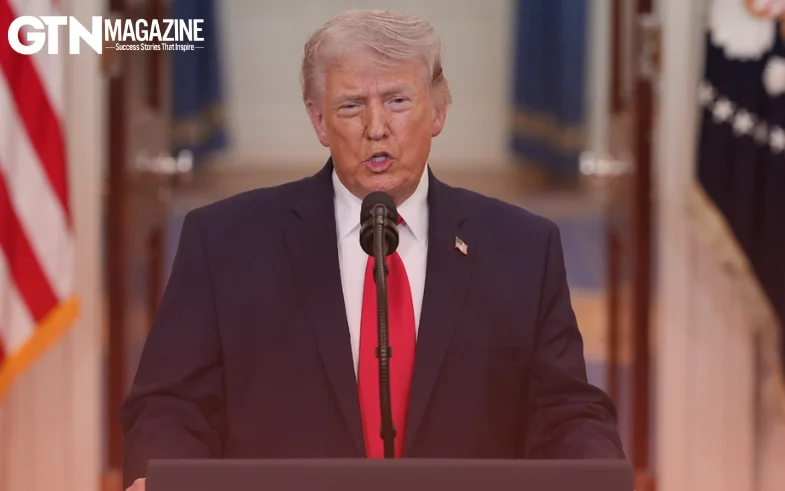
U.S. President Donald Trump said Washington wants American oil companies to invest in Venezuela’s energy sector following Maduro’s removal, while confirming that U.S. sanctions on Venezuelan oil remain in place for now.
Venezuela is a founding member of OPEC and holds the world’s largest proven crude oil reserves, estimated at 303 billion barrels, according to U.S. energy data. Despite its vast reserves, the country’s oil production has fallen sharply over the past two decades.
Output peaked at around 3.5 million barrels per day in the late 1990s but has since declined to roughly 800,000 barrels per day, according to industry estimates. Years of underinvestment, sanctions and deteriorating infrastructure have constrained production.
Currently, Chevron is the only major U.S. oil producer operating in Venezuela. The company was exporting around 140,000 barrels per day toward the end of 2025, according to market data.
Analysts say the impact of Maduro’s overthrow on oil prices remains uncertain in the near term. A gradual increase in production could occur if sanctions are lifted and a stable, U.S.-backed government is established, according to analysts at Goldman Sachs.
However, they warned that political instability could also trigger short-term supply disruptions. Any recovery in Venezuelan oil output is expected to be slow and partial, given the scale of investment required and ongoing security risks.
Energy analysts at RBC Capital Markets estimate that restoring Venezuela’s oil sector would require annual investment of around $10 billion, alongside a stable political and security environment.
They added that full sanctions relief could allow several hundred thousand barrels per day to return to the market within a year, but cautioned that an unstable transition could delay or derail any recovery.