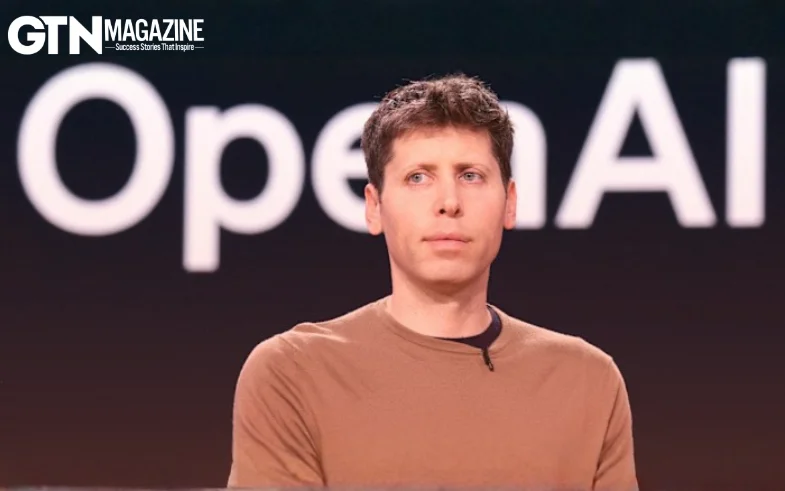



OpenAI CEO Sam Altman has announced that Austrian software developer Peter Steinberger, creator of the viral AI agent OpenClaw, is joining the company.
In a post on X, Altman said OpenClaw will “live in a foundation as an open source project” within OpenAI and will continue to receive company support.
Steinberger launched OpenClaw last month. Previously known as Clawdbot and Moltbot, the tool quickly gained attention for its ability to act as an autonomous AI agent. It can manage emails, use online services and complete tasks on behalf of users with limited human input.
Altman said Steinberger would help “drive the next generation of personal agents,” adding that such tools are expected to become central to OpenAI’s future product offerings.
“He is a genius with a lot of amazing ideas about the future of very smart agents interacting with each other,” Altman wrote.
Growing Competition for AI Talent
Financial terms of the move were not disclosed. However, AI companies have been investing heavily to secure top developers and researchers as competition intensifies in the generative AI market.
OpenAI, recently valued at $500 billion, faces strong competition from Google and Anthropic.
Anthropic’s Claude models have gained traction among businesses, particularly with its coding-focused updates. The company was recently valued at $380 billion following a new funding round.
Earlier this year, OpenAI also acquired the AI devices startup io, founded by former Apple designer Jony Ive, in a deal reportedly worth more than $6 billion.
Rapid Adoption and Concerns
OpenClaw has seen rapid adoption in several markets, including China, where it can be paired with local language models such as DeepSeek. Chinese search engine Baidu has said it plans to offer users of its main app direct access to OpenClaw.
Despite its popularity, some researchers have raised concerns about the platform’s open-source structure. Experts warn that the ability to modify the tool freely could increase cybersecurity risks if misused.
OpenAI has not provided further details on how the foundation structure will manage oversight or security measures.
The move signals OpenAI’s growing focus on AI agents, as companies compete to build systems capable of performing increasingly complex digital tasks independently.