

US corporate leaders are facing growing pressure over whether to publicly criticise immigration enforcement tactics under Donald Trump, amid concerns that speaking out could trigger retaliation from the White House or backlash from a deeply divided public.
The dilemma intensified after the fatal shooting of Minnesota resident Alex Pretti by federal immigration agents earlier this month. The incident prompted a rare public response from business leaders, many of whom had remained silent since Trump returned to office last year.
Following the shooting, dozens of executives from Minnesota-based companies signed a joint letter calling for an “immediate de-escalation” of federal immigration operations in the state. The letter avoided naming the president, the victim, or specific policies, reflecting what analysts describe as a cautious approach by corporate leaders.
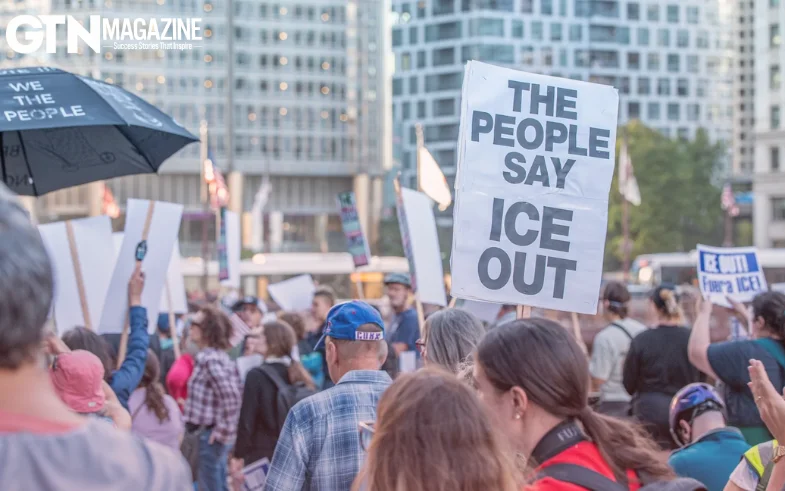
In recent weeks, the Department of Homeland Security has deployed thousands of U.S. Immigration and Customs Enforcement and Border Patrol agents to Minnesota, triggering protests and clashes. Video footage from the operations has drawn widespread attention and criticism.
Business leaders’ reluctance to speak out individually highlights fears of retaliation. The Trump administration has previously pursued legal action and regulatory scrutiny against media outlets, universities, banks and corporations seen as critical of the president.
“They don’t want to speak out alone because they are afraid,” said Jeffrey Sonnenfeld, a professor at Yale School of Management. “There is concern about intimidation and retaliation.”
Some executives have taken a more direct stance. Jamie Dimon criticised the immigration crackdown earlier this month, calling for a calmer approach. OpenAI CEO Sam Altman and Apple CEO Tim Cook also expressed concern following the Minneapolis incident, though largely through internal messages to employees.
Trump has recently adopted a softer public tone, speaking of de-escalation and holding talks with Minnesota Governor Tim Walz. However, ICE operations in the state remain ongoing.
Minneapolis, home to major corporations such as Target, UnitedHealth Group and 3M, has become a focal point for how far corporate America is willing to challenge federal policy.
Surveys suggest CEOs feel increasingly constrained. A recent CNBC poll found more than half of corporate leaders believe it has become significantly harder to speak publicly on social or political issues. Concerns include not only government retaliation but also consumer backlash in a polarised political climate.
Analysts say the events in Minneapolis have exposed the limits of corporate silence, even as many executives continue to weigh the risks of taking a stronger public stance.