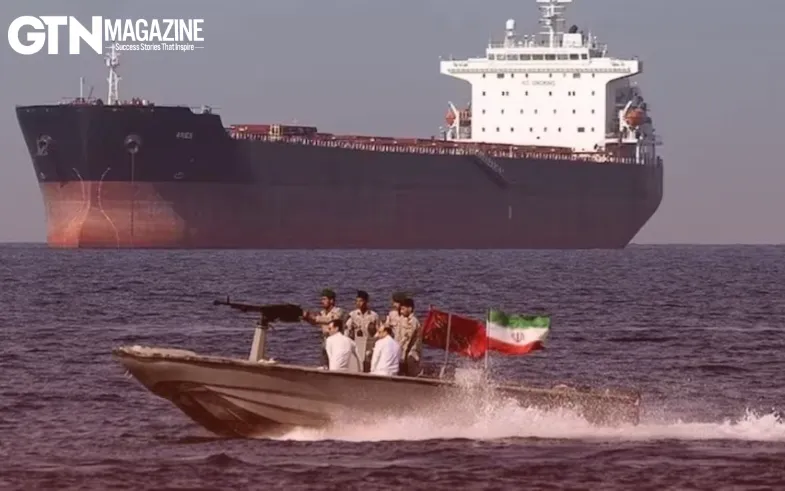
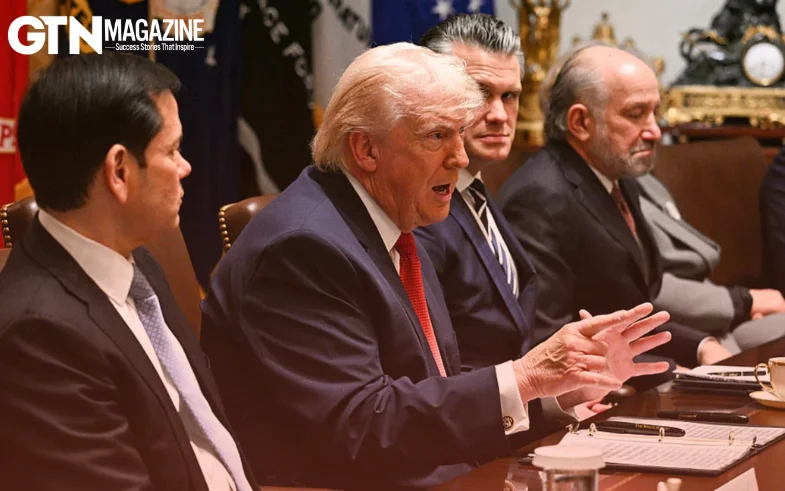
U.S. President Donald Trump said Iran permitted 10 oil tankers to pass through the Strait of Hormuz as a “present” to the United States, signaling what he described as a potential shift in tensions between the two countries. Speaking during a Cabinet meeting, Trump stated that Iran initially agreed to allow eight tankers through the vital oil route before adding two more, bringing the total to ten vessels. He framed the move as a gesture of goodwill amid ongoing indirect diplomatic engagement.
The claim comes as Washington continues to signal progress in discussions related to the conflict with Iran. Trump noted that “substantial talks” are underway, although Iranian officials have denied that direct negotiations have taken place.
U.S. Special Envoy Steve Witkoff confirmed that a 15-point framework aimed at resolving the conflict has been conveyed through intermediaries, including Pakistan, which has taken on a mediating role.
Meanwhile, Iranian state media reported that Tehran has rejected a U.S. ceasefire proposal and instead submitted its own conditions, including demands related to control over the Strait of Hormuz. The waterway remains a critical chokepoint for global energy supplies, handling roughly a quarter of the world’s seaborne crude oil.
Despite Trump’s optimistic tone, uncertainties persist. Iran’s continued ability to disrupt shipping in the region remains a key concern for global markets, particularly as the strait has faced partial closures and heightened security risks in recent weeks.
Energy analysts warn that even limited disruptions in the Strait of Hormuz can have outsized impacts on global oil flows, making the situation a central factor in ongoing market volatility.
While the reported tanker passage could signal easing tensions, the broader geopolitical landscape remains fragile, with future developments likely to determine the stability of global energy supply routes.