

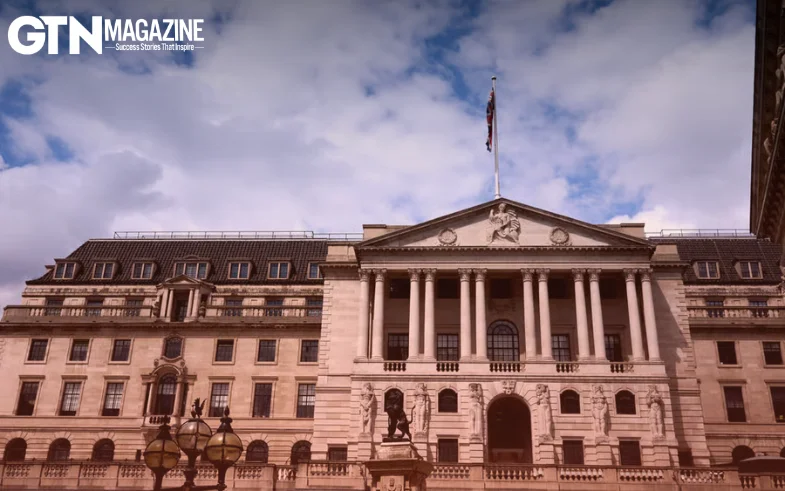
The Bank of England on Thursday held its benchmark interest rate at 3.75%, as policymakers assessed the inflationary impact of rising energy prices linked to the Iran war. The decision was widely anticipated and reflects growing uncertainty over the economic outlook following the escalation of conflict in the Middle East.
“We have held interest rates at 3.75% as we assess how events unfold,” Bank of England Governor Andrew Bailey said, adding that the central bank remains focused on returning inflation to its 2% target.
Before the outbreak of the war on February 28, inflation in the United Kingdom was expected to decline toward the target in the coming months. However, the surge in oil and gas prices has complicated that outlook.
Bailey said higher global energy prices are already affecting fuel costs and could lead to increased household energy bills later in the year if the trend continues.
The conflict has also heightened concerns about global supply disruptions, particularly if instability persists around the Strait of Hormuz, a key route for oil shipments.
Analysts say the shift in energy prices is likely to delay any near-term interest rate cuts, with markets now reassessing expectations for monetary policy in 2026.
“Things have shifted at such a pace that while rates have been held again today, markets are now expecting rates to be raised by at least a quarter percentage point this year,” said Lindsay James, investment strategist at Quilter.
The Bank of England’s move follows a similar decision by the U.S. Federal Reserve, which also kept rates unchanged while warning of increased uncertainty in the global economic outlook.
Higher interest rates are used to control inflation by reducing borrowing and spending, though they can also slow economic growth.