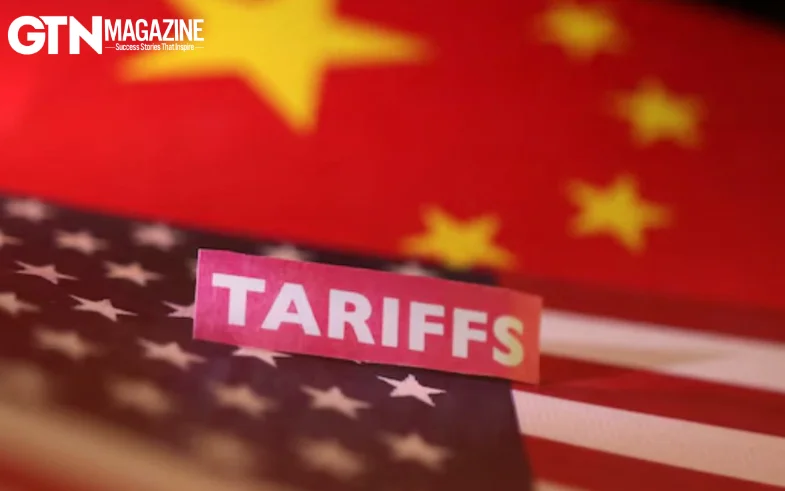
The European Commission has unveiled a major reform aimed at simplifying business creation across the European Union, allowing companies to be registered within 48 hours and at a cost of less than €100. The initiative, informally referred to as the “28th Regime” or “EU Inc.”, is designed to streamline procedures, reduce administrative barriers, and strengthen Europe’s global competitiveness against economies such as the United States and China.
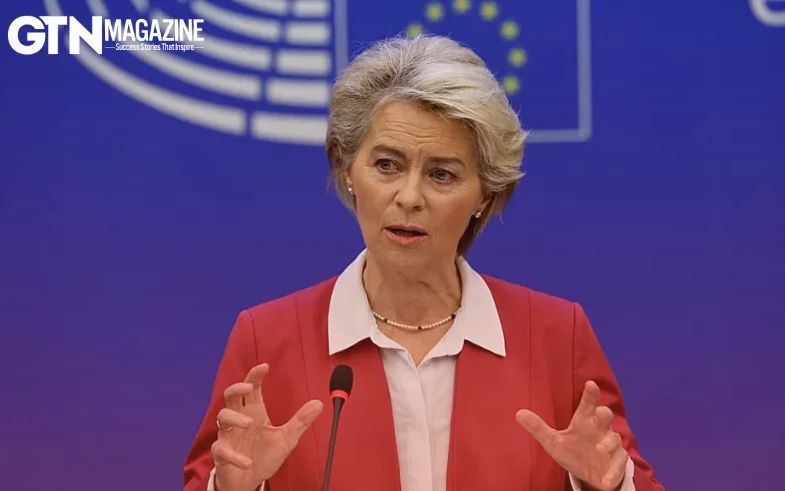
Announcing the proposal, European Commission President Ursula von der Leyen said the plan would make it “drastically easier to start and grow a business across Europe,” addressing long-standing concerns over complex legal frameworks and fragmented regulations.
Under the proposed system, entrepreneurs would be able to establish a company entirely online in any of the EU’s 27 member states. The reform aims to eliminate bureaucratic delays and reduce costs that have historically discouraged startups and cross-border expansion.
Currently, businesses must navigate more than 60 different national company structures across the EU, often facing significant administrative hurdles. Experts have long argued that such fragmentation limits innovation and slows down the growth of new enterprises.
The new regime will function as an optional framework rather than replacing national laws, offering founders a simplified alternative to existing systems. It is expected to attract companies that might otherwise choose to set up operations outside the EU.
However, some experts have raised concerns about the proposal’s broad scope. Analysts suggest that the framework should primarily target young and innovative companies to maximise its impact on Europe’s competitiveness and avoid overburdening the system.
The proposal will now move to the European Parliament and the Council of the EU for further discussion and approval. The Commission has set a target for adoption by the end of 2026, as part of its broader vision to create a more unified and efficient single market by 2028.
If implemented successfully, the reform could mark a significant step toward making Europe a more attractive destination for entrepreneurs and global investors.