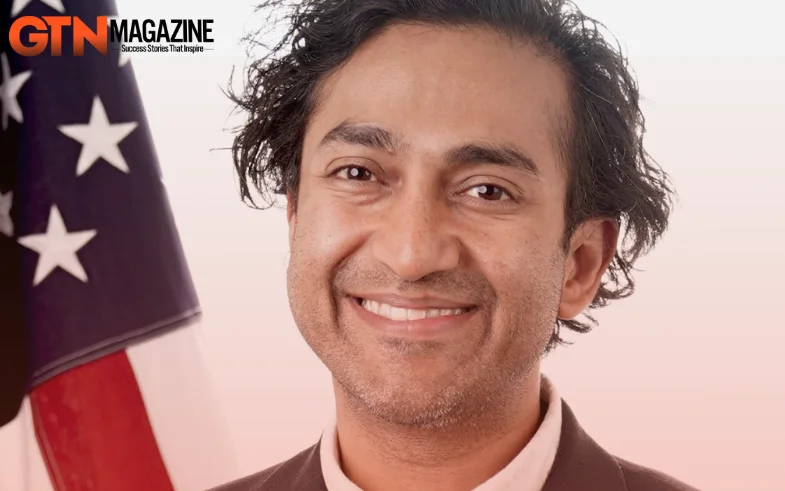
Caracas: Fresh inflows of dollars from oil sales will not solve Venezuela’s deep economic problems without political and institutional reform, according to former planning minister Ricardo Hausmann.
Hausmann, who is now director of the Growth Lab at Harvard University, said recent arrangements allowing Venezuela limited access to oil revenues only provide short-term relief and do not address the country’s structural weaknesses.
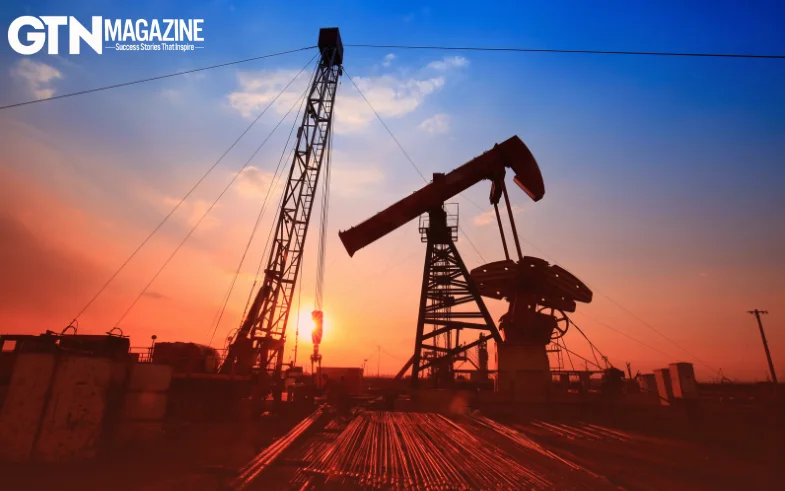
Under the current framework, Venezuela is restricted from freely selling its oil. Instead, crude is delivered to the United States, sold at market prices, and the proceeds are deposited into accounts controlled by Washington. Funds are then transferred to the Venezuelan government under specific conditions.
Hausmann described the system as a form of cash-flow control that eases liquidity pressures but fails to restore economic stability. “It improves cash flow, but it does not cure the underlying problems,” he said.
De Facto Dollarisation
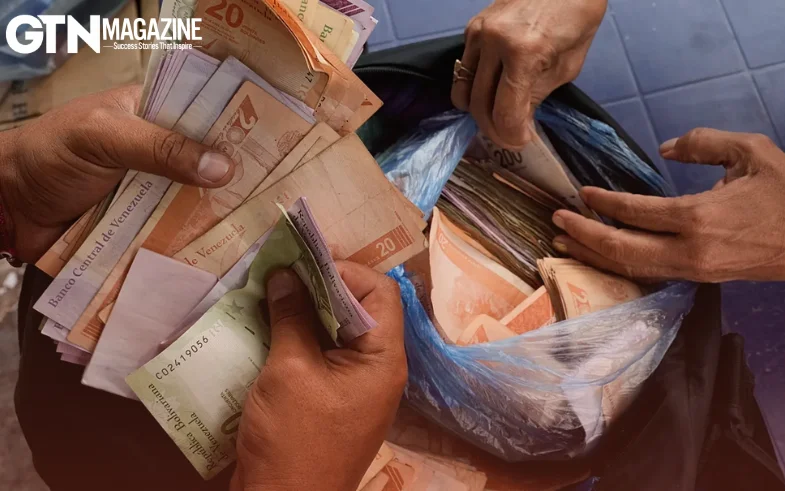
Venezuela is also experiencing what Hausmann called a “de facto dollarisation.” Due to hyperinflation and the sharp decline of the bolívar, most everyday transactions are carried out in US dollars, while the local currency is used mainly for electronic payments.
Despite widespread dollar use, Venezuela has not officially adopted the US dollar as legal tender. As a result, the financial system cannot offer savings or credit in dollars, limiting investment and economic recovery.
Hausmann said this has contributed to falling living standards, as salaries and pensions remain paid in bolívars while prices are set in dollars. He noted that some retirees receive pensions worth only a few dollars per month.
High Prices, Low Incomes
According to Hausmann, Venezuela remains an expensive country despite its economic collapse, with prices comparable to those in Europe once risk and operating costs are factored in. This gap between low incomes and high prices has increased reliance on remittances from Venezuelans living abroad.
More than eight million Venezuelans have emigrated, many sending money home to support families, highlighting the scale of the country’s humanitarian and economic crisis.
Rights Key to Recovery
Hausmann warned that without restoring basic rights and rebuilding infrastructure, higher oil revenues alone will not lead to lasting recovery.
He said sustainable growth requires freedom, property rights, and a functioning political system that allows people to invest and produce. Without these conditions, he argued, raising wages or pensions will have limited impact.
“Recovery is not just about money,” Hausmann said. “It requires restoring productive capacity and the basic foundations of the economy.”