Germany’s economy edged back into growth in 2025 after two consecutive years of contraction, supported by stronger consumer and government spending that offset weaker exports hit by higher U.S. tariffs.
Europe’s largest economy expanded by 0.2% last year, according to data released Thursday by the German Federal Statistical Office. The result follows economic contractions of 0.5% in 2024 and 0.9% in 2023.
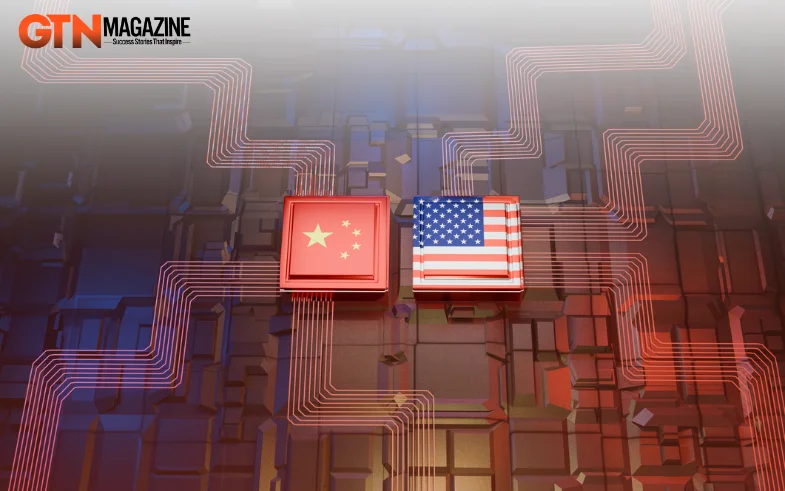
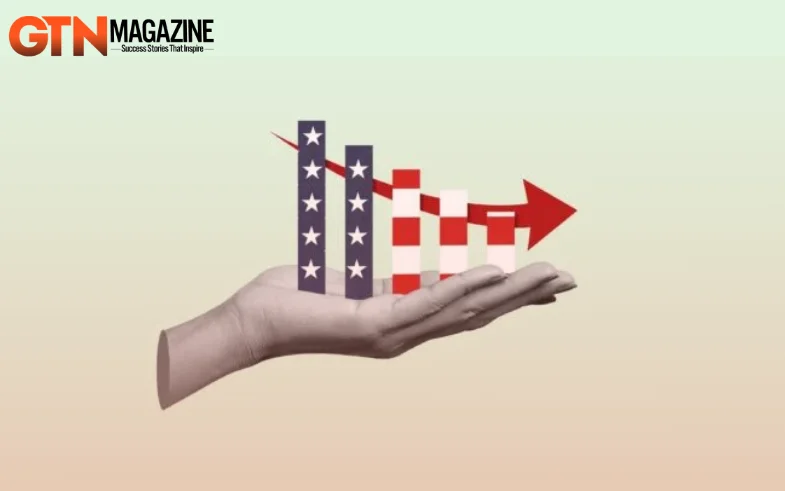
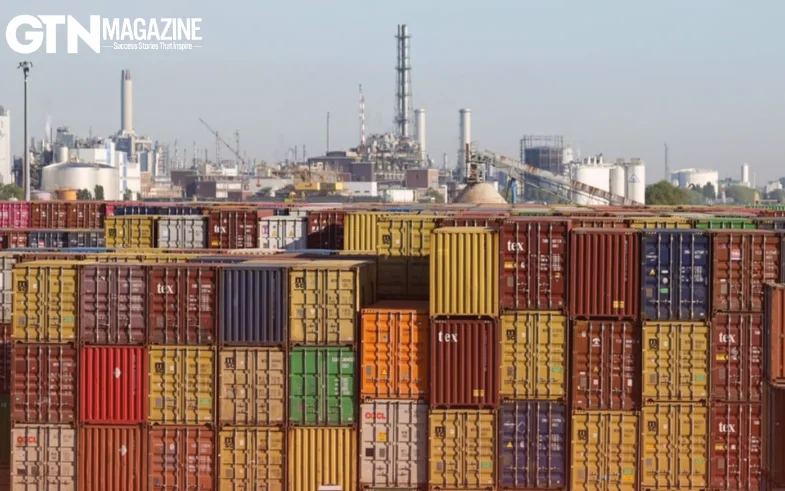
The statistical office said domestic demand provided the main support for growth, while exports continued to struggle amid tougher global trade conditions. U.S. trade policy under President Donald Trump weighed on Germany’s export-driven economy, alongside a stronger euro and increased competition from China.
“Germany’s export business faced strong headwinds owing to higher U.S. tariffs, the appreciation of the euro and intensified competition from China,” said Ruth Brand, head of the federal statistics office.
Germany’s economy has been grappling with prolonged stagnation since the pandemic, compounded by higher energy costs following Russia’s invasion of Ukraine and weakening demand for key exports such as automobiles and industrial machinery.
Expectations are now rising that growth could strengthen in 2026 as the government under Chancellor Friedrich Merz moves ahead with plans to increase spending on infrastructure, including bridges, railways and defence, to address years of underinvestment.
Defence outlays have risen sharply amid heightened security concerns linked to the war in Ukraine, adding to public spending momentum.
Economists have also pointed to long-standing structural challenges, including labour shortages, regulatory complexity and sluggish productivity growth, which continue to limit Germany’s economic potential.
Preliminary data showed that Germany’s economy grew by 0.2% in the final quarter of 2025, reinforcing signs of stabilisation. A group of leading economic institutes has forecast growth of around 0.9% for 2026, though they cautioned that the outlook depends on how quickly planned government investment is rolled out.