

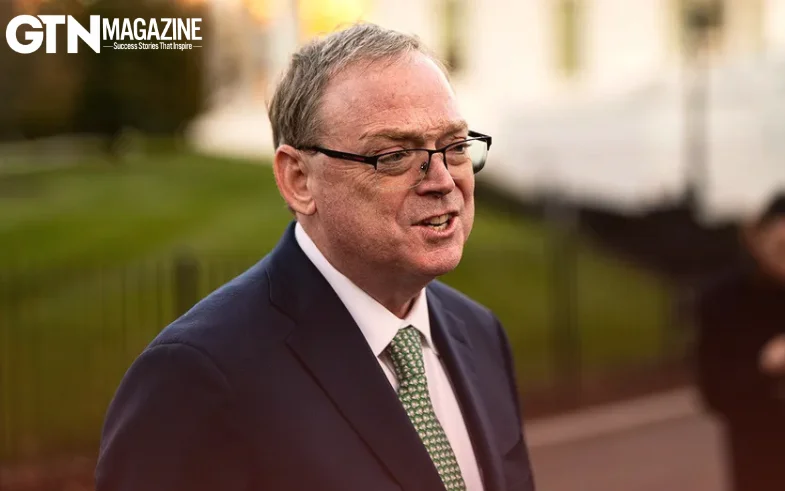
White House economic adviser Kevin Hassett has signalled a possible shift in the administration’s approach to credit card regulation, suggesting U.S. banks could voluntarily offer new credit products to underserved consumers instead of complying with a broad interest-rate cap proposed by President Donald Trump.
Hassett, director of the National Economic Council, said in an interview with Fox Business on Friday that major lenders could create targeted credit cards for Americans who lack access to credit but have stable incomes, framing the idea as a market-based alternative to regulation.
“They could voluntarily provide for people who don’t have much financial leverage because they don’t have access to credit, but who have enough income and stability to justify it,” Hassett said.
The comments come a week after Trump publicly urged banks to cap credit card interest rates at 10%, a proposal that has been strongly rejected by banking executives and industry lobby groups. Bank leaders warned this week that such a cap would likely lead to widespread account closures rather than lower borrowing costs.
Hassett suggested the administration may be stepping back from pursuing sweeping changes that would require legislation and could disrupt consumer spending.
“Our expectation is that it won’t necessarily require legislation,” he said, adding that banks could voluntarily roll out new products, which he referred to as potential “Trump cards”, aimed at expanding access to credit.
The proposal would mark a narrower focus than the president’s original call for across-the-board rate caps, which analysts say would be difficult to implement and could have unintended consequences for credit availability.
Hassett said the administration has been in discussions with executives at several large banks who believe the president’s concerns about affordability are valid. However, industry sources told CNBC that no formal talks have yet taken place regarding any “Trump card” initiative.
A senior executive at a major credit card issuer and a bank lobbyist representing large lenders said they had not been approached by the administration about the concept.
The evolving stance suggests the White House may be seeking compromise options that address voter concerns about high borrowing costs while avoiding direct confrontation with the banking industry ahead of broader economic policy decisions.