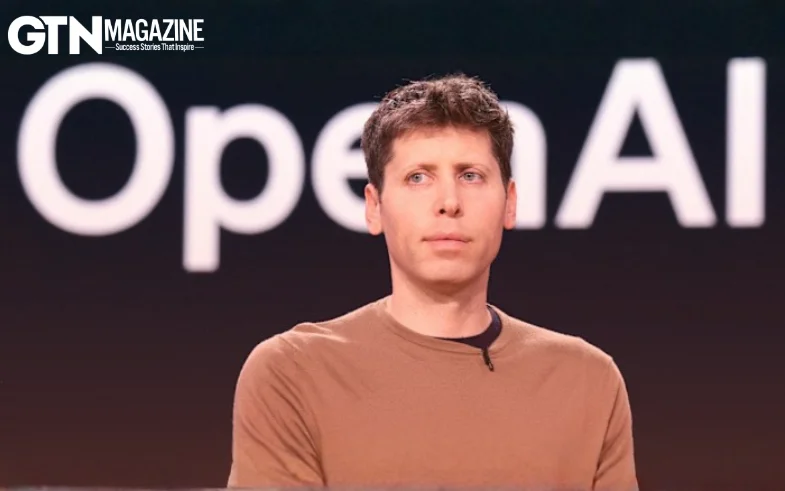
Washington - OpenAI Chief Executive Sam Altman has admitted that the company “shouldn’t have rushed” its recent agreement with the U.S. Department of Defense, saying the timing and presentation of the deal made it appear “opportunistic and sloppy,” according to his public comments.
The agreement, announced last week, would allow the Pentagon to use OpenAI’s artificial intelligence systems in classified military settings. It followed a breakdown in talks between the U.S. government and rival AI firm Anthropic, whose CEO had pushed for strong safeguards against the use of AI for mass domestic surveillance and autonomous weapons.
Altman said OpenAI is now working with the Defense Department to revise the contract and add clearer language to address concerns about civil liberties and ethical use. One of the changes makes clear that OpenAI’s systems will not be used intentionally for domestic surveillance of U.S. citizens and nationals.
In a post on the social platform X, Altman acknowledged that OpenAI had tried to move quickly to ease tensions between the military and the AI industry, but conceded that the approach was not ideal. “We were genuinely trying to de-escalate things and avoid a much worse outcome, but I think it just looked opportunistic and sloppy,” he wrote.
The company also noted that intelligence agencies such as the National Security Agency (NSA) are excluded from the agreement unless additional modifications are made.
The deal sparked public and internal criticism, with some users and employees concerned about the ethical implications of military AI deployment. The Pentagon had simultaneously labeled Anthropic a “supply chain risk” after that company refused to alter its terms, effectively cutting it off from federal contracts, a move that heightened the controversy.
OpenAI says it will continue refining the contract to strengthen guardrails and ensure that its technology is used responsibly and transparently.