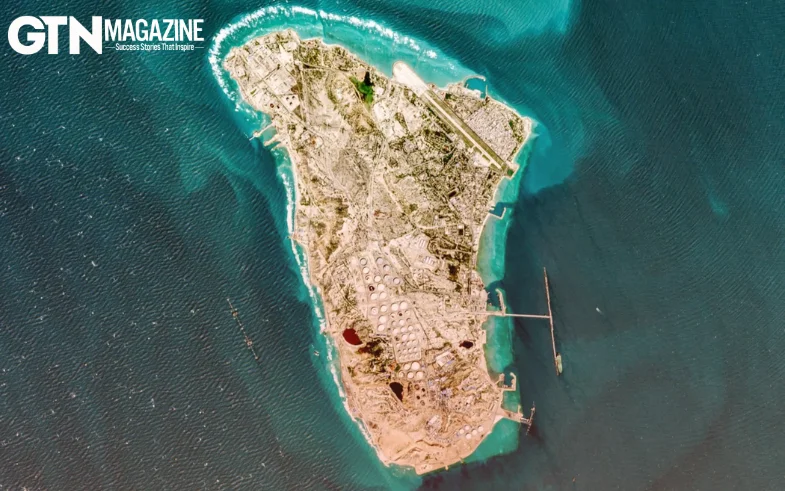
Kharg Island, a small but strategically critical location in the Persian Gulf, has emerged as a focal point in the ongoing Middle East conflict. As tensions escalate, analysts warn that any direct strike on its oil infrastructure could trigger significant disruption in global energy markets.
The island serves as the backbone of Iran’s oil export system, handling the vast majority of the country’s crude shipments. With nearly 90 percent of Iran’s oil exports routed through Kharg Island, its operational stability is closely tied to the country’s economic health.
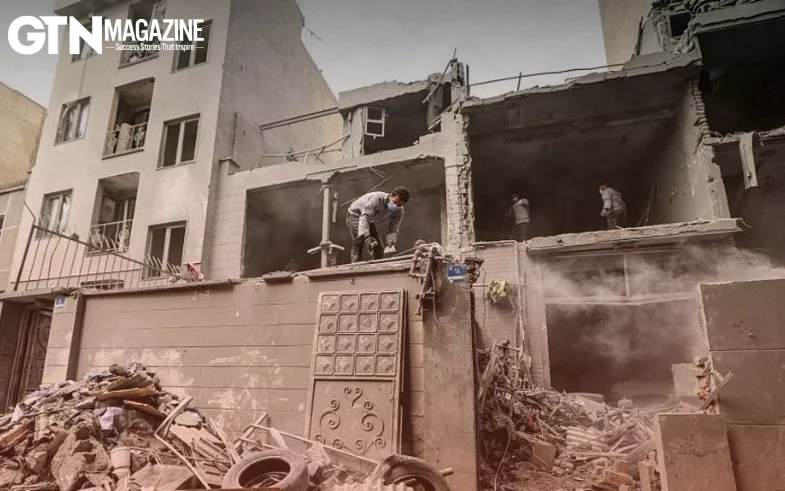
Recent developments have heightened concerns. Military infrastructure on the island has already been targeted, and the possibility of strikes extending to energy facilities has raised alarms among global policymakers and investors. At the same time, restrictions on tanker movements through the Strait of Hormuz — a key route for global oil transport — have further intensified fears of supply disruptions.
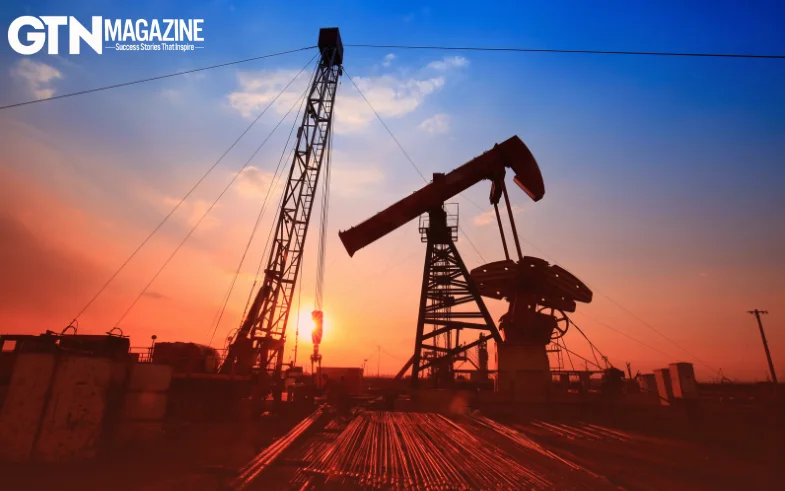
Despite its relatively small size, Kharg Island hosts extensive oil infrastructure, including storage facilities, pipelines, and offshore loading terminals. It is capable of handling large volumes of crude oil exports, supported by deep-water access that accommodates some of the world’s largest oil tankers.
Pipelines from major Iranian oil fields converge on the island, making it the central hub for exporting crude to international markets, particularly across Asia. Countries such as China rely heavily on these shipments, increasing the global significance of the island’s operations.
Analysts warn that a direct hit on Kharg Island’s export terminals could remove a substantial volume of oil from global supply. Even a partial disruption could tighten markets already under pressure, potentially driving oil prices sharply higher.
Since the conflict began, energy markets have reacted strongly, with oil prices rising amid concerns about supply constraints. A major disruption linked to Kharg Island could accelerate this trend, adding further strain to global economies already facing inflationary pressures.
There are also broader risks associated with escalation. Experts caution that an attack on Iran’s energy infrastructure could trigger retaliatory actions targeting oil facilities across the Gulf region. Key infrastructure in countries such as Saudi Arabia and the United Arab Emirates could become potential targets, increasing the risk of widespread supply disruption.
Additionally, while some oil-producing nations hold spare production capacity, much of it depends on transport routes that pass through the Strait of Hormuz. If the strait remains restricted, the ability to offset supply losses would be limited.
The uncertainty surrounding Kharg Island reflects a wider concern about the stability of global energy markets. Investors and governments are closely monitoring developments, as the outcome could influence oil prices, inflation levels, and overall economic growth.
Ultimately, the situation underscores how a single strategic location can have far-reaching implications. As long as tensions persist, Kharg Island will remain at the center of both regional conflict and global economic stability.