Potato-linked financial contracts have recorded a dramatic surge of more than 700 percent in less than a month as global markets react to fears surrounding the ongoing Iran war and its impact on agricultural supply chains.
According to market data, potato contracts for difference (CFDs), which track benchmark potato trading prices, climbed from nearly €2.11 per hundred kilograms on April 21 to approximately €18.50 by early May. The rapid increase reflects growing uncertainty among traders over future food production costs, fertiliser availability, and disruptions in global trade routes.
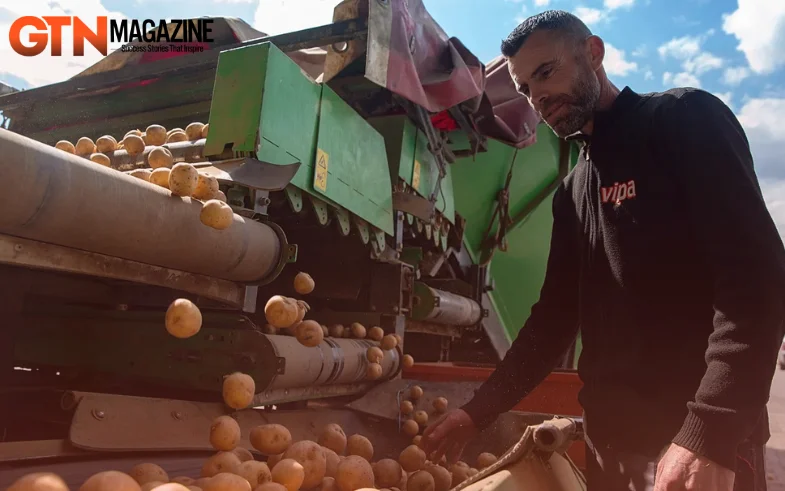
Despite the sharp jump in financial market prices, Europe is currently experiencing a significant oversupply of potatoes. Following strong demand and high prices over the last two years, farmers across Belgium, the Netherlands, France, and Germany expanded cultivation areas considerably. Favorable weather conditions then resulted in exceptionally large harvests, creating a substantial surplus in the market.
The oversupply has pushed physical potato prices down sharply across parts of Europe. Reports indicate that lower-grade potatoes intended for industrial use or animal feed have in some cases been sold at extremely low or even negative prices, forcing growers to bear transportation or disposal costs to remove excess stock from farms.
Industry analysts noted that the €18.50 benchmark primarily reflects “free-buy” potatoes traded on open commodity markets rather than potatoes sold under fixed contracts between growers and food processors. While the current benchmark price is higher than recent lows seen in secondary markets, many farmers still consider pricing levels financially unsustainable due to rising production expenses, including fertilisers, electricity, storage, and fuel costs.
Market experts explained that the sharp rise in potato-linked CFDs highlights the growing disconnect between physical agricultural supply and speculative commodity trading. Financial markets often react aggressively to future risks such as geopolitical instability, supply chain disruptions, weather concerns, and export uncertainty, even when present-day inventories remain high.
The ongoing Iran conflict has intensified concerns over global fertiliser supplies and shipping logistics. The Middle East region plays a critical role in the export of essential agricultural chemicals and minerals used in modern farming, including ammonia, urea, potash, and phosphates.
According to international trade estimates, nearly one-third of the world’s fertiliser shipments typically pass through the Strait of Hormuz, a strategic maritime route currently facing heightened geopolitical risks and disruptions.
As potatoes are considered a nutrient-intensive crop, concerns over fertiliser shortages have significantly influenced market sentiment surrounding future harvests and agricultural costs. Traders are increasingly pricing in the possibility of reduced crop yields and higher production expenses in the coming months.
Shipping challenges linked to regional instability have also added pressure to global agricultural markets. Increased transportation risks and rising freight costs are contributing to uncertainty around future food supply chains, particularly for commodity exports and imports dependent on Middle Eastern trade routes.
While the recent surge in potato financial contracts does not currently indicate a major increase in retail potato prices for European consumers, analysts say the movement reflects growing anxiety in global commodity markets as investors attempt to assess the broader economic consequences of the Iran war.
The sharp volatility in potato futures has become one of the latest examples of how geopolitical tensions can rapidly influence agricultural markets far beyond the immediate conflict zone.
More News:-