Rising tensions surrounding the Iran conflict are expected to dominate discussions during the upcoming summit between United States President Donald Trump and Chinese President Xi Jinping, potentially limiting progress on critical trade and economic issues between the world’s two largest economies.
The high-profile meeting, scheduled for May 14 and 15 in China, marks the first official visit by a sitting US president to the country since 2017. While tariffs, rare earth exports, and technology restrictions remain central concerns in US-China relations, geopolitical instability in the Middle East is now likely to take priority.
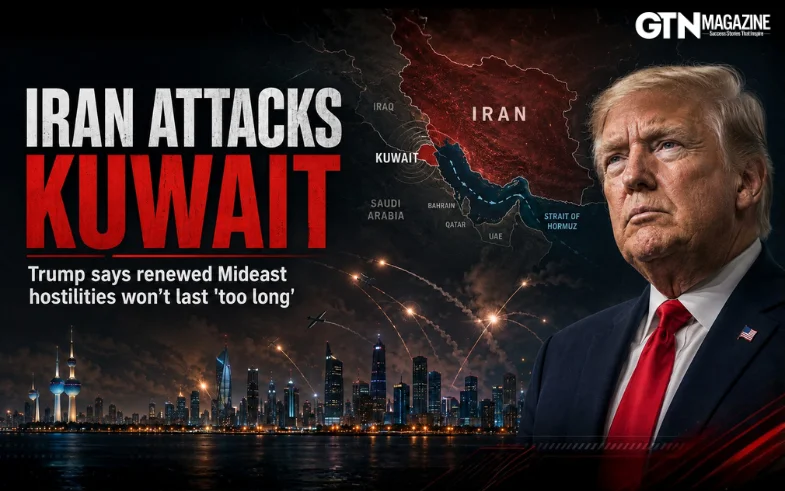
US Treasury Secretary Scott Bessent has already confirmed that the ongoing Iran conflict will be a key topic during bilateral discussions. The issue gained further importance after China recently hosted Iran’s foreign minister for diplomatic talks aimed at supporting ceasefire efforts and reducing regional tensions.
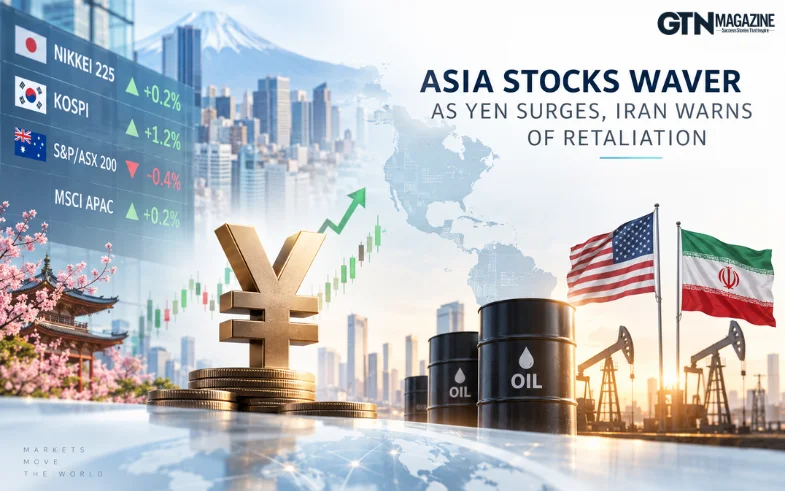
Financial markets have closely monitored these developments, with hopes for diplomatic progress contributing to temporary declines in oil prices and gains across global stock markets earlier this week.
Despite expectations surrounding major business announcements during the summit, reports suggest that the US business delegation accompanying President Trump may be considerably smaller than previous state visits.
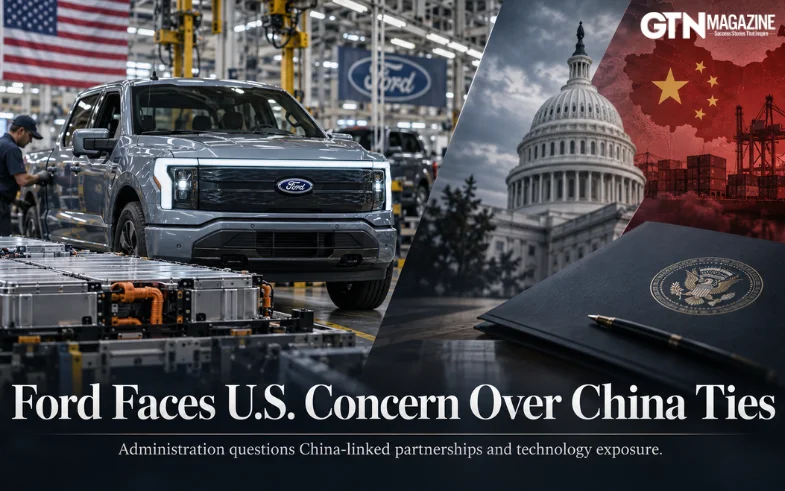
According to sources familiar with the arrangements, the US government declined China’s proposal to organise industry-specific meetings between senior Chinese officials and American corporate executives. Officials reportedly expressed concerns that such engagements could create the perception of US businesses becoming too closely aligned with Beijing.
Executives from major American companies including Boeing and Citigroup are expected to attend the summit, although the final delegation list may be reduced significantly.
Industry analysts believe the summit still carries major economic significance, particularly if diplomatic efforts contribute to easing geopolitical instability in the Middle East.
Experts note that a reduction in tensions surrounding the Strait of Hormuz would provide significant relief for global businesses, energy markets, and international supply chains that continue to face disruption from the ongoing conflict.
Recent attacks and military exchanges in the region have intensified concerns among shipping operators and global investors. Reports also emerged this week that a Chinese-owned oil tanker was struck near the Strait of Hormuz, further highlighting the fragile security situation.
Meanwhile, broader US-China trade issues remain unresolved. Beijing is expected to push for discussions on tariffs, restrictions on advanced technology exports, Taiwan-related tensions, and US measures targeting Chinese access to critical technologies.
Rare earth export controls are also expected to remain a major issue, given China’s dominant role in global supply chains for essential industrial minerals used in electronics, defense systems, and advanced manufacturing.
Trade analysts suggest that while immediate breakthroughs on tariffs and technology restrictions may be limited, the summit could still produce agreements involving increased Chinese purchases of American goods, including soybeans and Boeing aircraft.
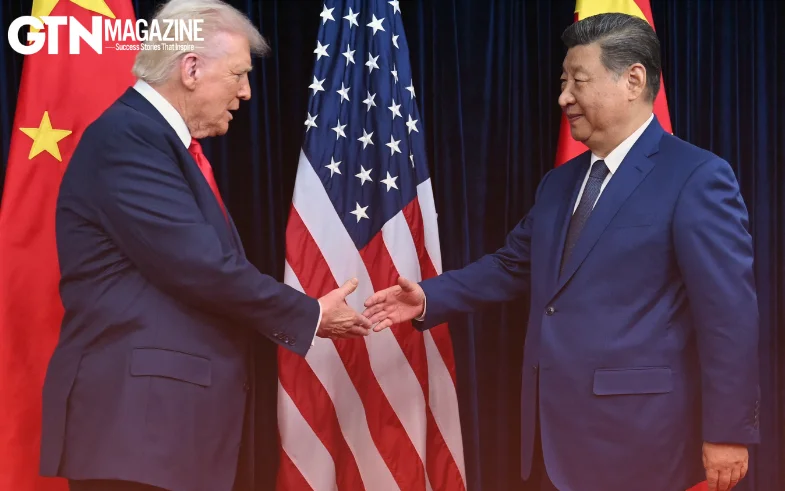
The meeting is also being viewed as an important diplomatic signal after months of strained relations between Washington and Beijing. Observers believe that images of President Trump and President Xi together could help ease concerns within the Chinese business community regarding engagement with American companies.
As geopolitical tensions continue to reshape global trade priorities, the summit is expected to play a critical role in determining the future direction of US-China economic relations and broader international market stability.
More News:-