


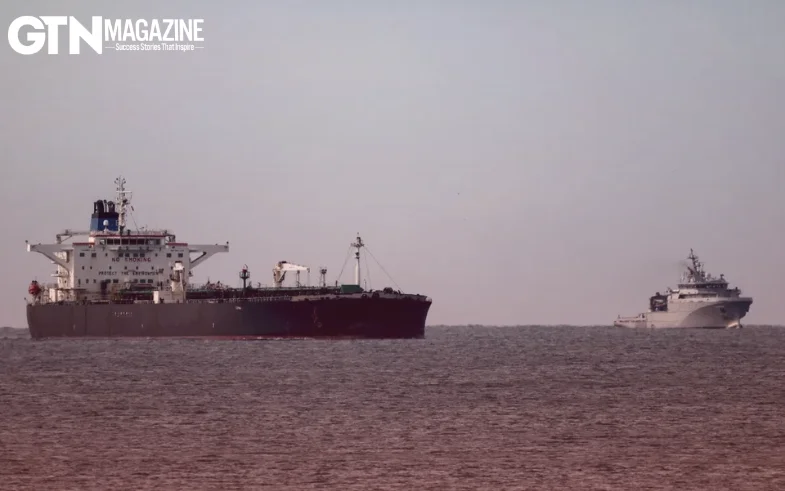
Global oil prices showed sharp and uneven movements on Monday as geopolitical tensions in the Gulf region triggered uncertainty across energy markets. Reports of a tanker being hit by unknown projectiles, along with the ongoing disruption in the Strait of Hormuz, have raised concerns about a potential supply shock. Nearly 20 million barrels per day of crude oil and LNG shipments are currently impacted, adding pressure to global supply chains.
As of Monday morning, major oil benchmarks recorded mixed performance.
WTI crude fell to $101.26 (-0.67%), while Brent crude hovered around $107.74 (-0.40%). UAE’s Murban crude saw the steepest decline, dropping 3.94% to $103.76.
However, not all crude grades moved lower. Oman crude surged significantly by 13%, while Louisiana Light, Mexican, and Indian crude baskets also posted strong gains between 3% to 6%. Natural gas prices rose slightly by 1.55% to $2.823.
Experts say this unusual divergence in prices is due to regional supply disruptions, differences in crude quality, delayed data reporting, and changing refinery demand. Countries are also attempting to reroute oil supplies through alternative routes, but these efforts remain limited.
Despite mixed movements, oil prices remain elevated above $100, indicating ongoing geopolitical risks and tight supply conditions.
Analysts warn that high energy prices could continue to fuel global inflation and slow economic growth, even as oil-producing nations benefit from higher revenues.
More News:-