Chinese exporters are becoming increasingly concerned about the ongoing Iran conflict and its impact on global trade, with many industry leaders now viewing supply chain disruptions and rising logistics costs as a greater threat than US tariffs.
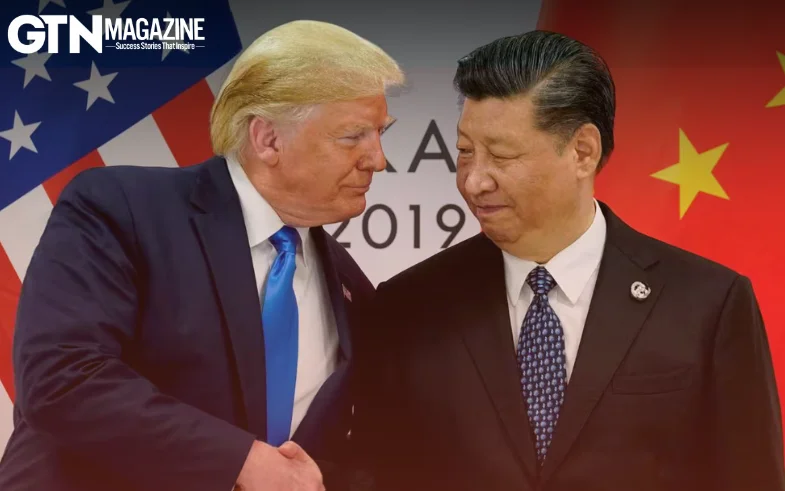
As US President Donald Trump and Chinese President Xi Jinping prepare for high-level discussions later this week, businesses across China are reportedly hoping for diplomatic efforts that could help stabilize the Middle East and restore normal shipping activity.
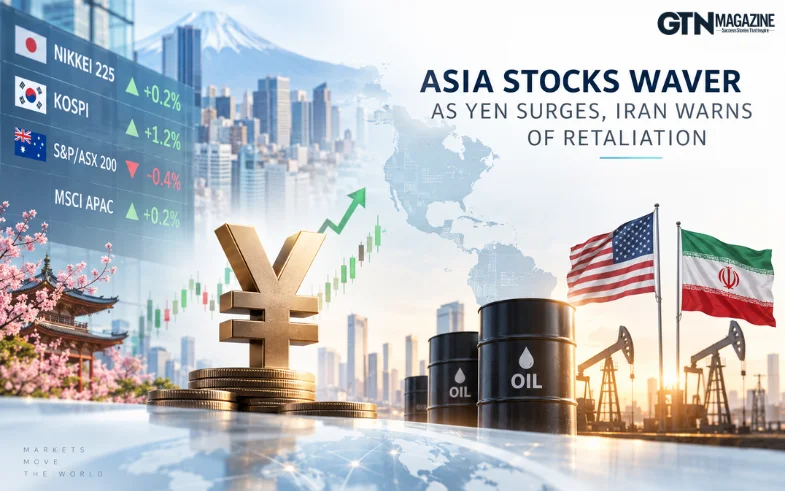
After spending the past year adjusting to volatile US tariff policies, many Chinese manufacturers and exporters have diversified operations into Southeast Asia, the Middle East, and other international markets. However, the ongoing conflict surrounding Iran has introduced new challenges, including shipping delays, surging freight rates, rising energy prices, and growing uncertainty in overseas demand.
Industry analysts noted that exporters are now more focused on the duration and impact of the Iran war than on future tariff negotiations. According to market observers, businesses fear that prolonged instability in the region could significantly weaken international orders and disrupt global trade routes.
The Strait of Hormuz, one of the world’s most important oil and shipping corridors, has become a major concern for exporters. Shipping delays through the route have extended delivery times and increased operational costs for companies trading with Europe and the Middle East. Some businesses have shifted to expensive air freight alternatives to maintain supply schedules.
Supply chain experts also highlighted that rising costs for fuel, raw materials, fertilizers, and industrial inputs are placing additional pressure on manufacturers. Chinese industrial input prices reportedly recorded notable increases in recent months following years of relatively subdued growth.
Despite ongoing tariff tensions between China and the United States, exporters appear to have adapted to the evolving trade environment by restructuring supply chains and passing some costs to international consumers. Analysts believe many businesses are no longer expecting a full return to pre-tariff trade conditions.
Market participants are now closely watching the upcoming Trump-Xi discussions, with hopes that diplomatic cooperation could help reduce geopolitical tensions, reopen critical trade routes, and stabilize global markets.
More News:-