
The most influential shifts in global business rarely begin with a single breakthrough. They take shape when leaders see possibilities others overlook, rethink established ways of working, and turn experience, ideas, and ambition into meaningful progress.
In 2026, that transformation is unfolding across remarkably different fields. Technology is moving from simply recording information toward supporting action. Healthcare leaders are connecting clinical expertise with smarter organizational strategy. Mobility is becoming more intelligent and interconnected, while cybersecurity is increasingly tied to resilience and sustainable growth. Across energy, entrepreneurship, international business, leadership development, and purpose-driven enterprise, new approaches are also challenging conventional definitions of business impact.
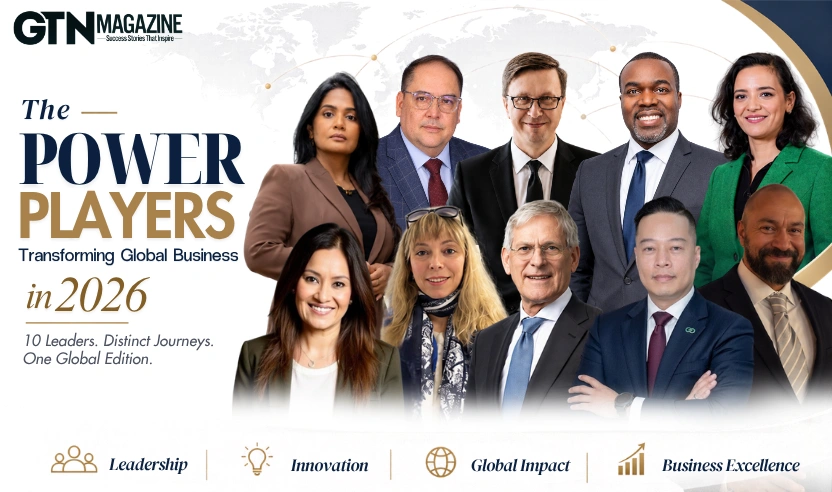
The Power Players Transforming Global Business in 2026 brings together ten distinctive leaders whose journeys demonstrate how transformation can take many forms.
Christina Taft is bringing luxury, philanthropy, humanitarian values, and purposeful international collaboration closer together through Luxury for Good, while Tony Wu Pasomthong is building an interconnected electric mobility ecosystem through SWITCH Universal that combines vehicles, battery-swapping infrastructure, data, energy, and technology. Kaido Kubri is exploring the human dimension of organizational performance through Human Pattern Intelligence, drawing attention to how individuals, relationships, and systems interact within businesses.
Across energy and natural resources, Patrick Allman-Ward brings more than four decades of technical, commercial, and executive experience to responsible resource development and evolving energy opportunities. Andy Sharma is applying decades of enterprise consulting experience to artificial intelligence, with a particular focus on healthcare and practical AI execution. Dr Ruchi Mishra Sharma, meanwhile, has brought together her medical background, personal experiences, and therapeutic practice to support women's emotional well-being and empowerment.
In Dubai, Vaani Mogaantyy is helping international entrepreneurs and investors establish stronger foundations for long-term growth in the UAE, while Rangana Guha-Kaitkay is connecting cybersecurity and risk expertise with business strategy, partnerships, and market development. In healthcare, Eduardo Antonio Marrero Velis, MD, FAAP, FACHE, represents the evolving intersection of clinical care, executive leadership, business strategy, and emerging technology. Sir Ryan Knight demonstrates another dimension of transformation by connecting entrepreneurship with sustainability, youth development, access to capital, and community economic opportunity.
Although their industries, experiences, and ambitions differ, these leaders share an important characteristic: they are not simply responding to change. Each, in their own way, is working to shape what comes next.
Their stories also reveal that there is no single blueprint for transforming global business. Leadership can mean building intelligent infrastructure, strengthening healthcare delivery, helping organizations navigate risk, creating businesses across borders, understanding the people behind organizational systems, developing resources responsibly, or creating opportunities that allow others to progress.
Through The Power Players Transforming Global Business in 2026, Global Times Now presents 10 journeys that offer a closer look at how entrepreneurs, executives, innovators, and changemakers are translating experience and vision into practical impact, and contributing to a global business landscape that continues to evolve.
Christina Taft
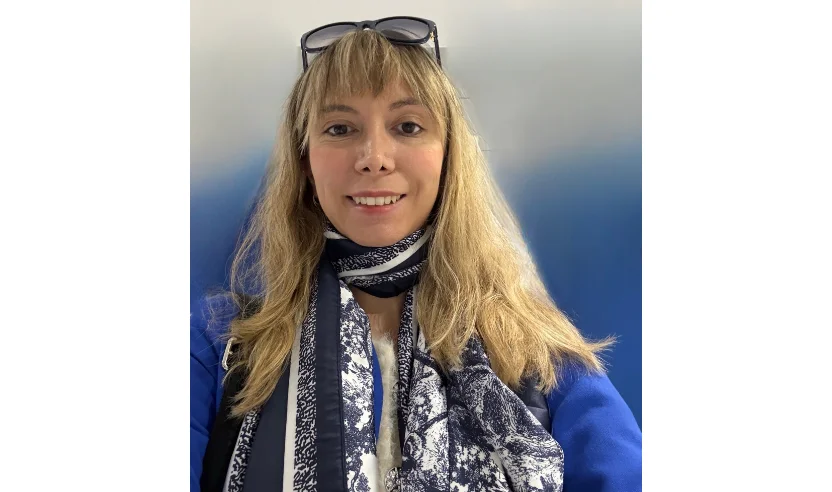
In a world where luxury is often measured by visibility, exclusivity, and status, a more meaningful interpretation is emerging, one shaped by craftsmanship, trusted relationships, generosity, and positive change. Christina Taft, founder of Luxury for Good, is contributing to this evolution by connecting the refinement of luxury with philanthropy, humanitarian values, and purposeful international collaboration.
A creator, entrepreneur, marketer, and media professional, Christina has developed a multifaceted career spanning business development, strategic communications, public affairs, technology, research, and social impact. Her experiences across California, France, and Monaco have given her an international perspective and a deeper understanding of how culture, relationships, and shared values can influence business and society.
Her academic journey has strengthened this outlook. Christina earned a Bachelor of Business Administration in Entrepreneurship and Small Business Management from California State University, Chico, and later studied in the Master of Business Administration program at American University, with a focus on international relations in business, although she did not complete the degree. She later studied Luxury Management at the International University of Monaco, expanding her knowledge of the global luxury industry and the expectations surrounding high-net-worth and ultra-high-net-worth communities.
Her time in Monaco particularly influenced her appreciation for discretion, heritage, artisanship, hospitality, and thoughtful relationship-building. It reinforced her belief that luxury can extend beyond material excellence to encompass responsibility, patronage, and service.
This philosophy became the foundation of Luxury for Good, a Monaco-inspired brand created to bring prestige and positive impact into closer alignment. Rather than treating philanthropy as an addition to luxury, Christina views generosity and social contribution as natural expressions of genuine excellence. The platform seeks to build connections among luxury brands, established charities, foundations, humanitarian initiatives, investors, and individuals who value both quality and purpose.
Its guiding principles are deliberately understated: presence over publicity, grace over noise, and generosity with purpose. Through these values, Luxury for Good celebrates brands distinguished by heritage, craftsmanship, quality, and innovation while encouraging the thoughtful use of influence and resources. Christina envisions it becoming an international platform that highlights meaningful causes, responsible opportunities, and partnerships capable of creating lasting benefits.
The concept also carries personal significance. Christina draws inspiration from the legacy of Princess Grace of Monaco, remembered for elegance, cultural patronage, and humanitarian engagement. Equally influential is her mother, Victoria Taft, whose kindness, grace, and commitment to helping others shaped Christina’s understanding of leadership. These influences encouraged her to pursue a model in which refinement is accompanied by empathy and success is measured partly by what it contributes to others.
Luxury for Good is a natural progression of Christina’s earlier entrepreneurial and humanitarian work. In 2017, she founded Worldie – Network for Good, an initiative centred on public affairs, partnerships, social good, peace, diplomacy, and humanitarianism. Through Worldie, she cultivated alliances with more than 14 partner organisations and developed a collaborative ecosystem involving advisers and organisational representatives. Its connections have included initiatives working across emergency response, peace education, girls’ empowerment, community development, cybersecurity, and technology education.
Her work has consistently reflected an interest in how communication and technology can improve lives. Christina supported marketing communication and client engagement for SaveMeNow, an emergency technology initiative designed to strengthen communication between citizens and rescue services. She also contributed to strategic communications at AEDAN, helping position Adaptive Intelligence technology for sophisticated markets and supporting concepts related to disaster prevention, coordinated response, and situational analysis.
Earlier stages of her career developed the versatility she now brings to her ventures. As an economics research assistant with the Center for Economic Development at California State University, Chico Research Foundation, Christina engaged business owners, gathered firm-level insights, analysed datasets, and contributed to economic reports. Her background also encompasses political outreach, public relations, fashion and retail, hospitality, science education, radio, videography, and editing. Together, these experiences have given her a broad understanding of audiences, institutions, communication, and evolving market expectations.
Christina’s leadership approach combines strategic ambition with diplomacy, kindness, analytical thinking, and close attention to quality. She is especially interested in transforming ideas into practical initiatives, building alliances across sectors, and creating environments in which people and organisations can succeed together. For her, leadership is not simply about attracting attention; it is about earning trust, maintaining standards, and cultivating relationships that generate meaningful value.
As one of the power players transforming global business in 2026, Christina represents a leadership philosophy that places purpose alongside performance. For her, the future of luxury will not be defined solely by what is exclusive or visible. It will be shaped by quality, discretion, artistry, relationships, generosity, and the willingness to use influence as a force for good.
-
LinkedIn - Christina Taft
-
X - XTinaTaft
Tony Wu Pasomthong
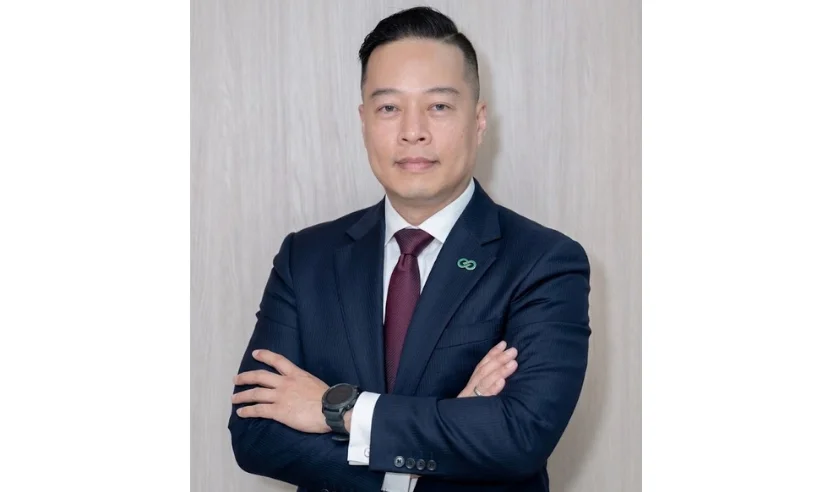
The future of electric mobility will not be defined by vehicles alone. Its real transformation will depend on the invisible infrastructure connecting riders, batteries, energy, data, and everyday operations. For Tony Wu Pasomthong, this interconnected vision is at the heart of building a more intelligent and sustainable transportation ecosystem for Southeast Asia.
After a successful technology career spanning Shenzhen to Stockholm, Tony turned his international experience toward one of today’s most important challenges: the future of urban transportation.
Prior to founding SWITCH, Tony built and operated a global technology business based in Shenzhen, China, focused on energy systems and IoT. Entering the connected technology market during its early stages, he established an international platform delivering projects across the globe and gained firsthand experience applying connected systems to real-world energy and infrastructure challenges.
Reflecting on this period, Tony says: “I was based in Shenzhen as it was emerging as one of the world’s leading technology centers. I witnessed the extraordinary rise of Tencent and Alibaba, including platforms such as Taobao, and saw how rapidly China’s wider technology ecosystem developed around them. It was an amazing time to be building a business, and it shaped my understanding of innovation, speed and the scale at which technology can transform an entire market.”
Recognizing the growing importance of connected infrastructure and intelligent energy management, Tony transitioned into the European smart city sector. There, he applied his entrepreneurial and technology experience to urban infrastructure, helping cities use IoT systems to monitor assets, manage energy consumption, and improve operational efficiency.
Working across Asia, Europe, and other international markets reinforced an important principle: successful technology must operate across different environments, regulations, cultures, and user requirements. Its greatest impact comes when hardware, software, data, and real-world operations function as one system.
After applying IoT to fixed urban infrastructure, Tony saw an opportunity to bring these principles into the more dynamic world of transportation, where riders, vehicles, and batteries are continuously moving and interacting. That challenge led him to establish SWITCH Universal, a Thailand-based electric mobility and technology company building an integrated battery-swapping ecosystem for electric motorcycles.
Rather than focusing solely on manufacturing electric motorcycles, SWITCH addresses the wider operational environment. Its ecosystem combines electric motorcycles, connected battery-swapping stations, a rider application, integrated digital wallet, fleet management capabilities, and a proprietary IoT and software platform.
Riders, vehicles, batteries, and swapping stations are digitally connected, with individual digital identities allowing SWITCH to track assignments, battery movements, exchanges, and performance throughout operational life. Riders can exchange depleted batteries within seconds rather than waiting for charging, reducing downtime, while fleet operators gain visibility into utilization, battery condition, maintenance requirements, and asset performance.
The platform is built around three core principles: Convenience, Efficiency and Reliability. It aims to provide commuters with a seamless swapping experience while giving fleet operators actionable data and dependable access to vehicles, batteries, and energy.
Developing strong underlying technology was the initial focus, followed by extensive platform development, real-world testing, and technical validation. In 2023, SWITCH entered a phase of localization, regulatory preparation, and commercial development, adapting its platform to the specific operating requirements and real-world challenges of riders in Southeast Asia.
Under Tony’s leadership, SWITCH has since progressed into active commercial operations, strategic partnerships, and expanding regional deployments, moving beyond technology development into the practical operation of an integrated electric mobility ecosystem.
The physical battery infrastructure is only one part of this vision. SWITCH gathers information across charging activity, swapping history, vehicle assignments, usage patterns, temperature exposure, and performance changes. This helps fleet owners understand battery condition, identify underperforming assets, anticipate maintenance, and make better asset-management decisions, while supporting replacement planning, warranty management, and estimates of future asset value.
Looking ahead, this expanding data foundation is intended to support advanced analytics and AI-assisted operations, including battery health prediction, predictive fleet maintenance, station demand forecasting, user characteristics, and intelligent energy management. Mobility patterns could help identify where and when energy demand will rise, allowing stations to prepare charged inventory, coordinate network charging, and potentially utilize lower-cost or cleaner electricity when available.
Despite the excitement surrounding artificial intelligence, Tony believes reliable data must come first. AI cannot provide meaningful operational intelligence without accurate information, consistent asset identities, and an understanding of the environment in which the data was created.
As Tony summarizes: “Connectivity is the starting point. IoT creates operational intelligence, and AI helps us anticipate what comes next.”
Throughout 2026, SWITCH has focused on establishing extensive coverage through its battery-swapping network and expanding electric vehicle fleets in cooperation with major mobility and commercial operators. The company is developing its presence across key cities in Thailand, while its technology also supports operations in Laos.
Its recurring revenue model, centered on vehicle leasing and battery-swapping services, is designed to create a scalable infrastructure platform rather than rely solely on vehicle sales. Over the longer term, SWITCH sees opportunities to integrate with additional vehicle manufacturers, fleet operators, energy providers, and transportation networks, supporting expansion across Thailand and the wider Southeast Asian region.
For Tony and SWITCH, the goal is not simply to place more electric motorcycles on the road. It is to build transportation around data-driven decisions and intelligent infrastructure. connecting riders, vehicles, batteries, stations, data, and energy into an ecosystem designed to make urban mobility more convenient, efficient, reliable, and sustainable.
-
LinkedIn - Tony Wu Pasomthong
-
Facebook - Tony Wu
Kaido Kubri
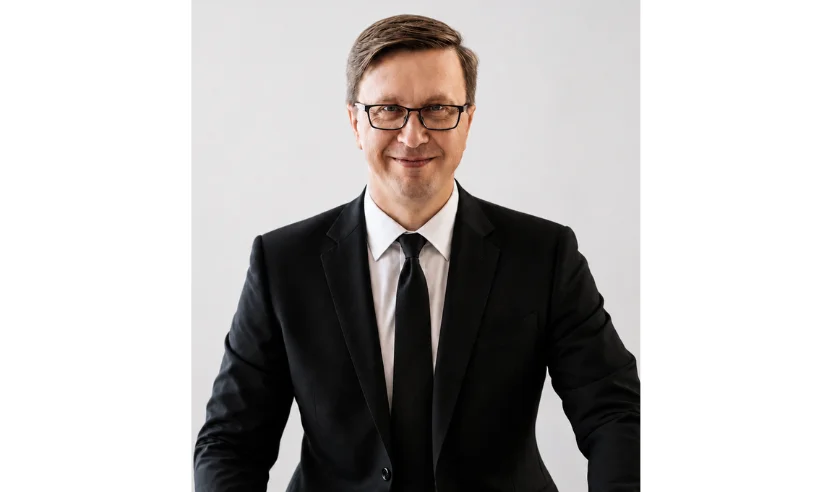
The future of global business will not be shaped by technology, strategy, and operational excellence alone. As organizations become increasingly international and interconnected, understanding the people behind their systems is becoming equally important. For Kaido Kubri, this human dimension has been the connecting thread across more than two decades of work spanning sales, international operations, leadership development, executive coaching, and organizational experience.
As the Founder and Chief Architect of Human Pattern Intelligence, Kaido is building on years of observing how people communicate, develop trust, navigate differences, and function within organizational structures. His perspective rests on a fundamental idea: even carefully designed systems can struggle when the people within them experience those systems differently.
This understanding began taking shape early in his career. Between 2001 and 2007, Kaido spent seven summers in the United States participating in the Southwestern Advantage educational sales program. Selling educational books door to door placed him in more than 20,000 face-to-face conversations and became an unexpected opportunity to understand human behaviour.
Although those conversations often followed similar structures, individual responses varied significantly. Some people responded quickly to facts, while others needed trust before engaging. Some valued brevity; others preferred personal connection. Rather than viewing these differences as obstacles, Kaido became interested in what people were noticing or interpreting differently.
His introduction to the DISC behavioural model gave structure to these observations. Over time, one question became particularly influential in his thinking: What might this person be paying attention to that I am not?
That curiosity gained another dimension when Kaido began building and managing the European J-1 visa process for Southwestern Advantage in 2005, a responsibility he held for approximately fifteen years. The work supported the successful travel of more than 6,200 university students from Estonia, Latvia, Lithuania, Poland, and Slovakia to the United States.
Coordinating students, parents, universities, embassies, sponsors, government agencies, and sales leaders demonstrated that operational accuracy was only one part of organizational effectiveness. Each stakeholder encountered the same process with different expectations, responsibilities, and concerns.
For Kaido, this revealed an important distinction: processes can define what should happen, but they cannot fully explain how people experience what is happening. An operational challenge may originate in communication or trust, while a perceived personality conflict may have structural causes.
From 2010 onward, his work in DISC training, executive coaching, and leadership development allowed him to examine these dynamics more systematically. Working with entrepreneurs, executives, educators, and leadership teams, he developed a practical perspective for examining organizational challenges through three interconnected dimensions: the individual, the relationship, and the system.
Individuals bring behavioural tendencies, communication preferences, and decision-making styles. Relationships determine how those differences interact, while systems establish the expectations and processes surrounding them. Considering all three can reveal issues that remain hidden when organizations focus on people or processes separately.
Kaido’s international perspective expanded further in 2025 when he became Chief Experience Officer at Reverse Resources. Working with teams and stakeholders across Europe, Bangladesh, India, and Vietnam reinforced both the importance of cultural differences and the presence of shared human concerns.
While communication and leadership styles vary across markets, Kaido has consistently observed recurring needs around trust, belonging, responsibility, expectations, psychological safety, and meaningful contribution. Recognizing these commonalities while respecting cultural distinctions can provide internationally distributed organizations with a stronger foundation for collaboration.
These experiences are now contributing to Human Pattern Intelligence, Kaido’s long-term intellectual platform designed to help people and organizations understand human behaviour with greater clarity. Rather than developing it solely as a consulting methodology, he envisions an intellectual property ecosystem encompassing practical frameworks, research, assessments, educational resources, books, digital tools, and technology.
His ambition is to develop ideas that can be taught, tested, adapted across cultures, applied within real organizations, and continuously improved.
Writing has become another avenue for sharing his thinking. His first book, Why Can’t People Just Be Normal?, published in 2024 and currently available in Estonian, became the first book in the Baltics to outline the fundamentals and practical applications of the DISC personality styles model, informed by more than twenty years of experience. His 2026 e-book, Breaking the Self-Abuse Cycle: How to Stop Shrinking, Start Living, and Come Back to Yourself, draws on twenty-five years of working with people to offer insights and practical tools for addressing self-limiting behaviours and developing healthier relationships with oneself.
More than twenty-five years after his early conversations on American doorsteps, the curiosity behind Kaido Kubri’s work remains consistent. Through Human Pattern Intelligence and his wider leadership work, he continues exploring how deeper human understanding can strengthen teams, organizations, and cross-cultural collaboration. In a business world increasingly shaped by sophisticated technology and systems, his journey highlights that meaningful transformation depends not only on how systems operate, but also on how organizations understand the people who bring them to life.
Kaido is looking to work with businesses facing people, communication, or leadership challenges, and with consulting and advisory partners whose clients face these challenges.
If you see a problem where better understanding of people could make a difference, let’s explore what we can build together.
Learn more at myhumanpattern.com.
-
LinkedIn - Kaido Kubri
-
Instagram - kaidokubri
-
Facebook - Kaido Kubri
Patrick Allman-Ward
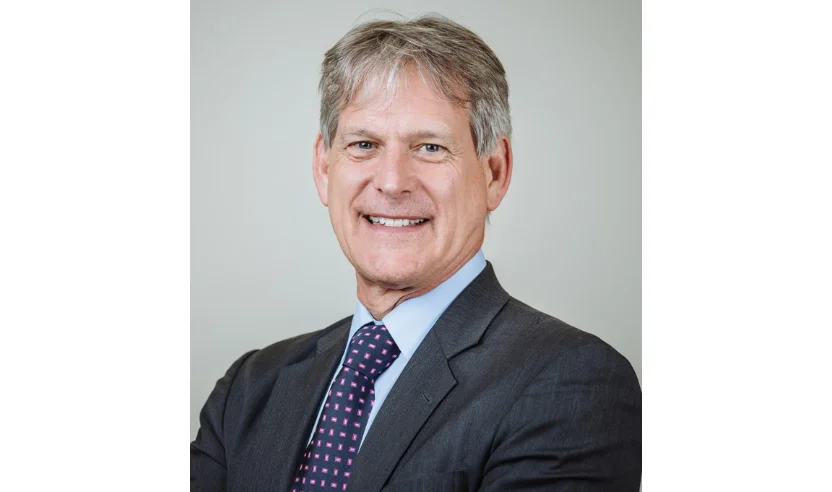
Few industries demand the ability to think simultaneously in decades and in daily operational realities quite like energy and natural resources. Decisions made today can shape economies, communities, infrastructure, and environmental outcomes for generations. Across more than four decades in these sectors, Patrick Allman-Ward has built a career around navigating precisely that intersection, combining technical expertise with commercial discipline, international perspective, and an evolving commitment to responsible resource development.
Today, Patrick serves as Chairman of Terra Mining, where he is leading the company’s transition into gold production in Zimbabwe while supporting its strategic expansion into other African markets. He is also Vice Chairman of United Terra Enterprises, contributing to the development of a diversified energy portfolio spanning traditional oil and gas operations and emerging renewable energy initiatives. Alongside these responsibilities, as CEO and Executive Chairman of IGZACT FZE, he provides petroleum industry and management consultancy services, drawing upon decades of experience to help organizations address strategic and operational challenges in a changing global energy environment.
Behind Patrick’s executive leadership is a strong scientific foundation. He holds a Ph.D. in Mining Geology from Imperial College London, complemented by advanced studies in mineral exploration and geology. His early grounding in exploration, resource evaluation, and technical planning has remained relevant throughout his career, giving him the ability to approach major business decisions with an understanding of both the assets beneath the ground and the commercial realities surrounding their development.
A defining chapter of his career came during his decade-long tenure as Chief Executive Officer of Dana Gas, one of the Middle East’s largest publicly listed private-sector natural gas companies. His leadership encompassed some of the issues that matter most to a complex energy business: financial resilience, operational performance, governance, sustainability, and long-term shareholder value. During this period, the company strengthened its financial position through significant debt restructuring and reductions in long-standing receivables, while successful major international arbitration outcomes helped protect shareholder interests.
Patrick also placed sustainability and responsible operations firmly within the broader business agenda. He oversaw the implementation of internationally aligned sustainability reporting and supported continuous improvements in ESG performance. Operational initiatives contributed to reducing greenhouse gas emissions and gas flaring, while commitments around zero methane emissions and zero routine flaring established clear environmental ambitions for the business.
This approach also extended to Pearl Petroleum, in which Dana Gas holds a 35% equity interest. Patrick was instrumental in helping Pearl Petroleum become one of the Middle East’s first carbon-neutral oil and gas production businesses through voluntary carbon-offset initiatives. For him, environmental responsibility was not separate from commercial strategy; it formed part of building energy businesses capable of remaining resilient and relevant over the long term.
That perspective naturally encouraged a wider exploration of what the energy transition could mean in practical terms. During his leadership, opportunities involving renewable energy, hybrid power systems for remote communities, and carbon capture and storage technologies were evaluated. Rather than viewing conventional and emerging energy sources as a simple either-or choice, Patrick’s approach has recognized the importance of managing present energy requirements while preparing businesses for a lower-carbon future.
Long before his tenure at Dana Gas, Patrick developed an extensive international career with Shell, working across the Netherlands, Malaysia, Nigeria, Brunei, the United States, Saudi Arabia, and Europe. His responsibilities evolved from geological interpretation and exploration into regional strategy, venture execution, leadership, and new business development. These assignments exposed him to different operating environments, cultures, regulatory frameworks, and resource challenges, creating the global perspective that would later inform his executive career.
Among his notable responsibilities, Patrick served as Chief Executive Officer and Board Director of South Rub Al-Khali Company Limited, the Shell–Saudi Aramco joint venture established for large-scale onshore gas exploration in Saudi Arabia. The position required leadership across complex exploration activities, substantial investment programs, and multidisciplinary teams, further strengthening his experience at the intersection of technical execution, partnership management, and strategic decision-making.
Now, as his work extends further into African mining and diversified energy ventures, Patrick is applying lessons accumulated across multiple industries and continents to a new phase of growth. His transition from geology and exploration into senior corporate leadership, and subsequently into mining, investment, and consultancy, demonstrates an ability to evolve without losing sight of the technical understanding that shaped his career.
At a time when global businesses must reconcile energy security, resource demand, environmental responsibility, and economic development, Patrick Allman-Ward represents a leadership perspective built through firsthand experience of these competing priorities. His journey shows that transformation does not necessarily mean abandoning established industries; it can mean applying experience differently, embracing innovation where it creates genuine value, and ensuring that growth is pursued with discipline and responsibility.
As industries across the Gulf, Africa, and the wider global economy continue to evolve, Patrick’s work remains focused on what comes next, developing resources responsibly, strengthening businesses, exploring new opportunities, and bringing decades of experience to decisions whose impact may extend far beyond the present.
-
LinkedIn - Patrick Allman-Ward
Andy Sharma
Healthcare stands at the edge of one of its most significant transformations in generations. For decades, organizations invested in technologies intended to simplify care, yet many solutions ultimately became better at recording work than doing it. Artificial intelligence is beginning to change that equation. Technology can now move beyond storing information to supporting action, helping close gaps in care, reduce administrative burdens on clinicians, and support patients during the critical moments between visits when many health outcomes are determined.
For Andy Sharma, this transformation represents an opportunity to apply more than three decades of enterprise experience to work driven by purpose and measurable impact. After building a distinguished career in enterprise consulting, Andy is now in what he calls his “second career,” one defined less by titles or scale and more by doing work that makes a genuine difference. His focus today is on helping healthcare harness AI for better outcomes and helping organizations turn AI’s promise into practical results.
Andy serves as Chief Strategy Officer at INTERVENT Health AI, a joint venture between INTERVENT International and Brand Engagement Network (NASDAQ: BNAI), and is the Founder of Flowtogen, an agentic AI advisory firm serving mid-market enterprises. Although the two roles address different markets, they reflect one conviction that has shaped his career: AI creates value when it is built around real business problems and the people who experience them every day.
His perspective has been shaped by more than 30 years in enterprise consulting. Andy held national leadership roles across multiple industry verticals at a Big 4 consulting firm, gaining firsthand insight into how large organizations navigate change and why transformation programs can stall between the strategy deck and frontline execution.
For the past five years, he has focused on AI commercialization, helping early-stage AI companies establish themselves in enterprise markets while supporting established organizations in adopting AI in ways that deliver measurable results.
Healthcare is where his conviction runs deepest. Andy has had the privilege of advising many of the largest Health Systems, Insurers, PBMs, Pharmaceutical manufacturers, and Pharmacies in the world. That experience informs his belief that AI represents one of the most consequential opportunities in healthcare’s history. For Andy, the objective is not to replace the human side of care, but to remove obstacles standing between patients and the outcomes they deserve.
At INTERVENT Health AI, Andy played a central role in forming the joint venture, helping bring together INTERVENT’s heritage in evidence-based lifestyle and behavioral health programs with BEN’s conversational AI capabilities. As Chief Strategy Officer, he leads product positioning and go-to-market strategy across payer, provider, and pharmaceutical markets.
His work focuses particularly on areas where behavioral support can influence outcomes at scale, including value-based care, Medicare Advantage, and patient support alongside GLP-1 therapies. The goal is to apply technology where it can meaningfully strengthen patient support and healthcare delivery rather than introducing innovation simply for its own sake.
Through Flowtogen, Andy brings this practical approach to a segment he believes has been underserved by the AI revolution: mid-market companies facing real operational complexity without the resources available to Fortune 500 enterprises.
Central to his thinking is a distinction between traditional software and agentic AI. Traditional software, he argues, has become the “system of record,” documenting what has happened. Agentic AI is emerging as the “system of execution,” with the ability to act across workflows rather than simply store information. This shift has the potential to change how organizations approach productivity, operations, and transformation.
Yet what distinguishes Andy’s approach is less a particular methodology than a mindset that has remained consistent throughout his career: intent matters more than technique. Client success, in his view, is not simply a byproduct of great work; it is the entire purpose behind it.
“Take care of your clients. Genuinely, obsessively. The rest takes care of itself.”
That principle shapes how he works. Rather than beginning with a particular technology, platform, or tool, Andy starts with the business outcome a client needs and works backward. In doing so, he bridges conversations that can often remain disconnected: executives who need confidence, operators who need practicality, and technologists who need clarity about what truly matters.
Looking ahead, Andy sees 2026 as a turning point for enterprise AI. He believes organizations that create meaningful advantages will not necessarily be those adopting the most tools, but those connecting AI directly to execution and to the people it is intended to serve.
Through INTERVENT Health AI and Flowtogen, Andy Sharma is helping translate that vision into operating reality. By combining three decades of enterprise judgment with a clear understanding of what AI can and cannot do, his work reflects the experience, purpose, and execution shaping the next chapter of global business transformation.
- LinkedIn - Andy Sharma
- Website - Intervent Health
Dr Ruchi Mishra Sharma
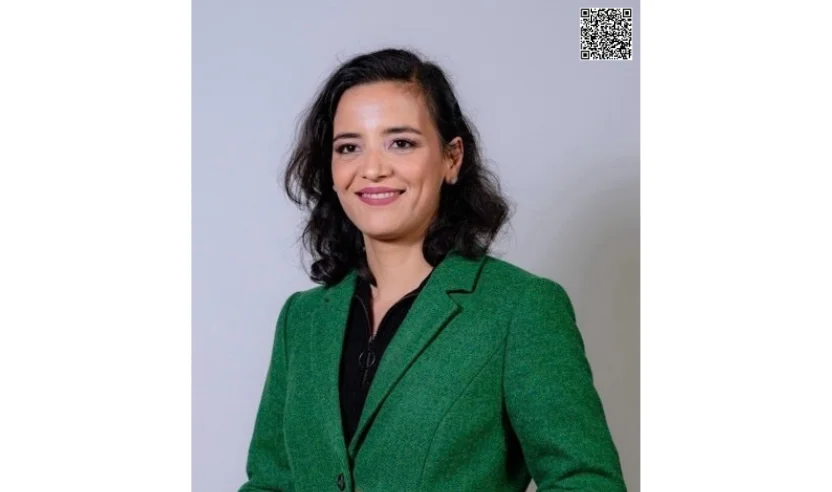
Some of the most meaningful transformations begin when individuals find the courage to confront what has remained hidden beneath years of achievement, responsibility, and expectation. For Dr Ruchi Mishra Sharma, a medical doctor, specialist ophthalmologist, clinical hypnotherapist, author, and entrepreneur, this understanding has shaped a journey that brings together medical expertise, personal healing, and women's empowerment.
With more than 13 years of experience across the United Kingdom's National Health Service (NHS), Dr Ruchi has developed an approach to helping women overcome emotional barriers and rebuild confidence. As the founder of Freedom and Empowerment Hypnotherapy by Ruchi, she draws upon her clinical background and lived experiences to support women navigating childhood trauma, self-doubt, and limiting beliefs. Having recently embarked on a new chapter of her personal and professional journey in Dubai, she continues to pursue her vision of empowering women and creating meaningful change.
Raised in an Indian household where academic achievement was highly valued, Dr Ruchi pursued medicine with determination, completing her MBBS and postgraduate training in ophthalmology. Her move to the United Kingdom in 2011 introduced an unexpected challenge when her existing medical qualifications were not initially recognised. Undeterred, she successfully completed the PLAB 1 and 2 examinations in 2012, establishing the foundation for her NHS career.
Her ophthalmology career took her through several institutions, including Princess Alexandra Hospital NHS Trust, Ninewells Hospital, Royal Surrey NHS Foundation Trust, and Eastbourne District General Hospital. Specialising in medical retina and glaucoma, she developed extensive experience in retinal laser procedures, intravitreal therapy, emergency ophthalmology, and comprehensive eye care. Her clinical work also encompassed patient safety, medical education, and quality improvement, strengthening her understanding of healthcare leadership.
Yet, behind her professional accomplishments, Dr Ruchi was confronting emotional struggles that had remained unresolved for decades.
Following the birth of her son in 2020, she experienced postpartum depression and professional burnout, which brought previously suppressed childhood trauma to the surface. Having survived childhood sexual abuse, she had carried feelings of guilt, shame, and inadequacy despite building a successful medical career. This difficult period became a turning point, prompting her to explore healing beyond the conventional boundaries of her professional training.
Her introduction to Rapid Transformational Therapy (RTT), developed by Marisa Peer, opened a new direction. Through personal healing, inner child work, and coaching, she began examining the unconscious beliefs that had influenced her relationship with herself. The experience reshaped her understanding of confidence, self-worth, and emotional freedom, eventually inspiring her to help other women navigate similar challenges.
In July 2022, she established Freedom and Empowerment Hypnotherapy by Ruchi, translating her personal transformation into an entrepreneurial venture centred on women's emotional well-being.
Combining her medical background with her training as a certified RTT Clinical Hypnotherapist and life and success coach through the Jay Shetty Certification School, Dr Ruchi supports women experiencing low self-esteem, anxiety, self-sabotage, people-pleasing, and emotional difficulties associated with childhood experiences.
Her practice particularly focuses on high-achieving women who may appear professionally successful while privately struggling with confidence, relationships, or feelings of inadequacy. Through individual therapeutic sessions, she helps clients explore underlying beliefs, develop self-awareness, and reconnect with their sense of personal worth.
For Dr Ruchi, empowerment is not simply about encouraging women to achieve more. It is about helping them recognise that professional success and emotional fulfilment need not exist separately.
Building her practice required overcoming her own fears surrounding visibility, judgment, and failure. From navigating social media to speaking on international stages, she gradually expanded her presence beyond individual therapy sessions. Her speaking engagements in Paris, podcast appearances, and published work have enabled her to share her experiences with wider audiences.
As the author of the Amazon bestselling book Unleashed – Breaking Free: A Journey of Healing and Freedom, she shares her personal journey while encouraging conversations around trauma, self-acceptance, and emotional resilience. Her podcast, The Best Version of You, further reflects her interest in making personal development and healing more accessible.
Her contributions have received recognition through honours including the Hoinser Award for Extraordinary Leadership, Best Transformational Clinical Hypnotherapist, Rising Women Speaker Excellence Award, and Courageous Pinnacle Award.
Alongside entrepreneurship, motherhood remains an important influence on her understanding of leadership. Raising her son has reinforced her belief in emotional safety, self-esteem, and resilience, while encouraging her to approach professional responsibilities with self-awareness and compassion.
Looking ahead, Dr Ruchi envisions positively influencing one million women through her therapeutic practice, speaking engagements, authorship, and educational platforms. Her ambition extends beyond expanding a business; she hopes to create spaces where women can speak openly about difficult experiences without feeling defined by them.
As she embraces this new phase of her journey in Dubai, Dr Ruchi remains committed to expanding her impact and encouraging more women to reclaim their confidence and pursue fulfilling lives. Her journey illustrates how professional expertise and personal experience can come together to create a meaningful entrepreneurial purpose, building a practice rooted in empathy, self-awareness, and women's empowerment.
-
LinkedIn - Dr Ruchi Mishra Sharma
-
Instagram - dr_ruchi_rtthypnotherapy_
-
Facebook - DrRuchi Mishra Sharma
Vaani Mogaantyy
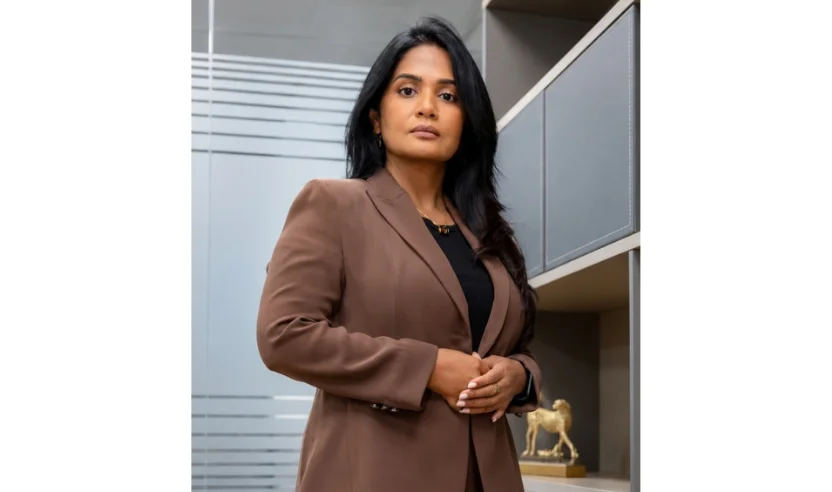
Global business no longer moves along a single axis. Entrepreneurs from different parts of the world increasingly see Dubai as a gateway to new markets, international partnerships, and long-term growth. Yet turning that ambition into an operational business can be far more complex than securing a licence. Decisions around jurisdiction, visas, banking, compliance, and financial structure can shape a company’s ability to trade, hire, and expand for years to come.
For Vaani Mogaantyy, Founder of Forerunners Global, this is where meaningful business support begins. Having guided more than 1,000 businesses through their UAE journey, she has developed an approach that looks beyond completing formalities. Instead, she focuses on helping entrepreneurs establish businesses on foundations designed to support where they ultimately want to go.
At Forerunners Global, company formation is approached as architecture rather than paperwork. True to the firm’s positioning as “Your Business Architect,” its services bring together company formation and licensing, PRO and visa services, accounting, and banking support as interconnected parts of a broader business structure.
This perspective is particularly relevant for international founders entering the UAE. Early decisions can have lasting consequences, and what appears to be the quickest or least expensive setup may not necessarily support a company’s future plans. Mogaantyy therefore begins conversations by looking beyond immediate registration requirements and considering what the business needs to become over the next several years.
That longer-term picture helps determine decisions around jurisdiction, licence activities, banking relationships, and visa planning before the formal setup process begins. Rather than fitting every entrepreneur into the same model, the objective is to create a structure aligned with the nature of the business and its future direction.
Her work also extends beyond entrepreneurs establishing conventional operating companies. Forerunners Global supports the structuring of family offices and special purpose vehicles for investors managing wealth across borders, as well as Golden Visa applications for individuals seeking to make the UAE a longer-term base.
Together, these areas reflect Mogaantyy’s broader view of Dubai. She sees the emirate not simply as a convenient location in which to register a company, but as a place where entrepreneurs and investors can establish a meaningful and lasting presence. As capital, talent, and businesses become increasingly international, creating the right foundation can make the difference between simply entering a market and being positioned to grow within it.
Beyond her work with clients, Mogaantyy believes that experience becomes more valuable when it is shared. Her exposure to the journeys of more than 1,000 businesses has given her a practical perspective on the challenges founders encounter, the decisions that often create unnecessary complications, and the habits that can contribute to more resilient companies.
At the heart of that perspective is a simple idea: vision works best when supported by discipline. Ambition may inspire someone to enter a new market, but sustainable progress also requires thoughtful planning, responsible decision-making, and the willingness to build for the long term.
This philosophy also informs her interest in purposeful growth, ethical entrepreneurship, resilient teams, and the advancement of women in business. Rather than viewing leadership only through the lens of scale, she places importance on the quality of the businesses being created and the confidence of the people building them.
For Mogaantyy, being among the power players transforming global business is therefore not defined solely by the size of an organisation or the number of markets it reaches. Impact can also be measured through the foundations created for others. Every entrepreneur who establishes a stronger business in Dubai, every investor who gains greater clarity around a long-term UAE presence, and every leader who approaches growth with greater confidence contributes to a wider ecosystem of trade, investment, and opportunity.
As Dubai continues to connect entrepreneurs, investors, and ideas from across the world, Mogaantyy and Forerunners Global are positioning themselves within that movement by helping businesses begin with greater clarity and structure. Her journey demonstrates a principle that is easy to overlook in the excitement of expansion: before a business can confidently move across borders, it needs solid ground from which to begin.
-
LinkedIn - Vaani Mogaantyy
-
Website - Forerunners Global
Rangana Guha-Kaitkay
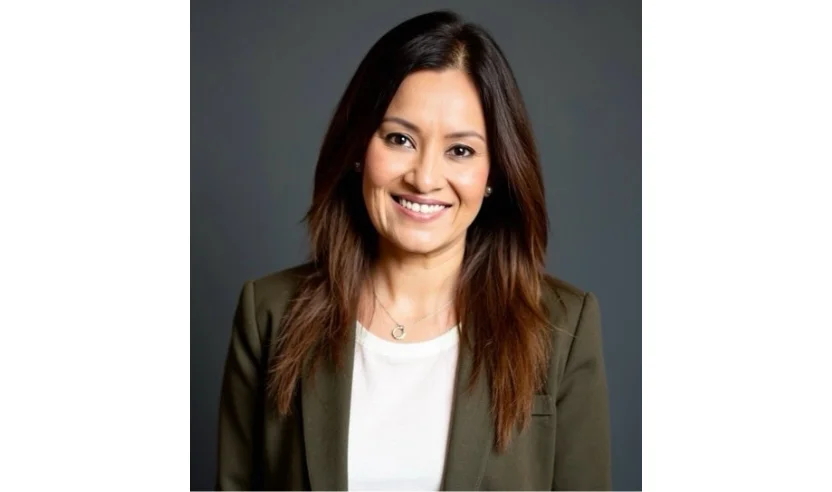
In a business environment where digital opportunity and digital risk increasingly move together, cybersecurity can no longer be treated as a conversation confined to technology teams. It has become closely connected to growth, trust, resilience, and the ability of organizations to move forward with confidence. Rangana Guha has built her career at precisely this intersection, bringing together cybersecurity, risk management, business strategy, and market development to help organizations address complex challenges while remaining focused on their broader objectives.
Currently serving as Cyber and Privacy Partner at Grant Thornton, Rangana leads sales, business development, customer relationship management, and go-to-market strategy for cybersecurity and risk services. She is specifically focused to drive growth and increase market penetration by helping customers tackle their security challenges with ease and simplicity in partnership. Through this collaboration she is focused on mutual growth, which enables us to provide data-driven, outcome-based results to our clients as they continue their digital transformation journey. Her role reflects an approach to cybersecurity that extends beyond identifying threats or implementing controls. She focuses on understanding what businesses are trying to accomplish and developing strategies that enable them to manage cyber risk while continuing to evolve, compete, and create value.
With more than 15 years of experience across accounting, information technology, and risk consulting, Rangana has developed a perspective shaped by both technical complexity and commercial realities. Her career has taken her through progressively influential roles at KPMG US, Wipro, and Grant Thornton, giving her experience across consulting, cybersecurity services, transformation, sales leadership, alliances, and market development.
Rangana spent more than 13 years with KPMG US, progressing from Senior Associate in Risk Consulting to Manager in Cyber Security Services and later Director. Those years provided a strong foundation in risk management and cybersecurity while allowing her to work across diverse client environments. They also strengthened her understanding of how technology decisions, governance, business processes, and organizational priorities must work together for transformation to create sustainable results.
Her subsequent journey at Wipro broadened that experience further. Rangana served in leadership positions including Global Head of Go-to-Market and Channels for CRS, Partner, Americas Sales Leader for Cybersecurity, and General Manager and Senior Partner. Working at the intersection of cybersecurity and commercial strategy, she developed experience in expanding portfolios and creating market opportunities through relationships with technology vendors and the wider partner ecosystem.
This ability to connect different parts of the cybersecurity landscape has become an important element of her leadership. Rangana believes in leveraging partnerships with OEMs, resellers, technology system integrators, and other ecosystem participants to support growth and deliver stronger outcomes. Rather than viewing alliances simply as commercial arrangements, her work demonstrates how the right ecosystem can bring together complementary capabilities and help organizations respond more effectively to increasingly sophisticated business and security requirements.
Her professional foundation also gives her an uncommon combination of financial, risk, and technology perspectives. Rangana is a Chartered Accountant from The Institute of Chartered Accountants of India, holds a bachelor’s degree in Business and Economics from Sydenham College of Commerce and Economics, and is a Certified Third Party Risk Professional (CTPRP) and Certified Information Security Manager (CISM). This multidisciplinary background enables her to approach cybersecurity with an understanding of not only technology, but also governance, accountability, business performance, and risk.
Yet Rangana’s approach to transformation is not solely about systems, strategies, or market opportunities. People remain central to how she leads. She is committed to developing and empowering teams while cultivating collaboration, innovation, and excellence. In a field that changes continuously, she recognizes the importance of creating environments where professionals can learn, contribute ideas, assume responsibility, and grow alongside the challenges they are working to solve.
Integrity is equally important to that philosophy. Rangana’s focus on professionalism, ethical decision-making, communication, and trust reflects her belief that strong business relationships are built over time. Whether working with clients, teams, or ecosystem partners, she places value on understanding objectives, creating meaningful relationships, and helping stakeholders navigate change with clarity.
Her contributions have also earned recognition through her inclusion among the Top 100 Women in Cybersecurity. For Rangana, however, influence is reflected not simply in recognition but in the ability to create lasting impact, through stronger client outcomes, capable teams, productive partnerships, and strategies that allow businesses to approach cybersecurity as an enabler of resilience and progress.
As organizations continue accelerating digital transformation in 2026, leaders who can connect security expertise with commercial understanding will have an increasingly important role to play. Rangana Guha’s journey demonstrates that protecting an organization and helping it grow need not be competing priorities. When a cybersecurity strategy is aligned with business ambition, supported by the right ecosystem, and grounded in trust, it can become part of the foundation upon which sustainable transformation is built.
- LinkedIn - Rangana Guha
Eduardo Antonio Marrero Velis
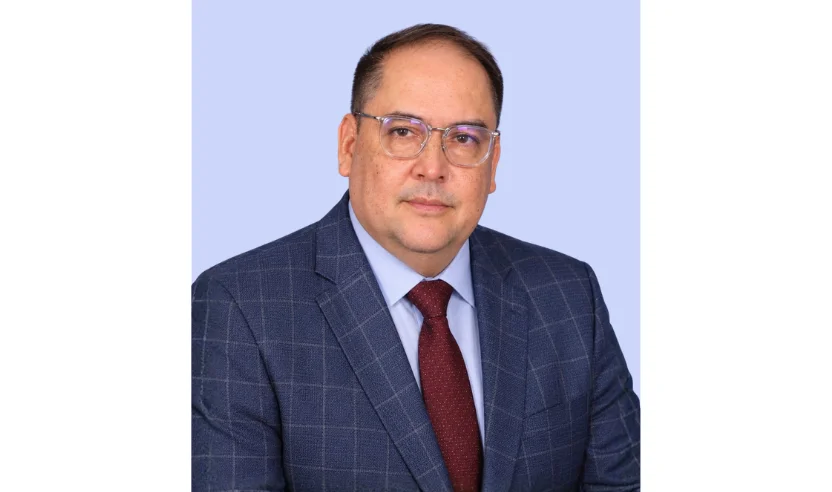
Healthcare leadership today demands more than excellence in medicine. It requires the ability to understand people, operations, technology, finance, and strategy while keeping patient care at the center of every decision. Eduardo Antonio Marrero Velis, MD, FAAP, FACHE, has built his career around this intersection, evolving from a practicing pediatrician into a physician executive whose perspective extends across clinical care and organizational leadership.
With more than 15 years of experience spanning private practice, community health, academic medicine, and hospital-based care, Eduardo has developed an understanding of healthcare from multiple angles. His journey has taken him from caring directly for children and families to broader responsibilities involving physician leadership, clinical operations, quality improvement, business development, and organizational strategy. Today, as Chief Executive Officer and Pediatrician at West Phoenix Pediatrics, PLC, he brings these experiences together while helping guide the practice through its next stage of growth.
Eduardo’s foundation is firmly rooted in medicine. He earned his Doctor of Medicine (MD) from the University of El Salvador and later completed his pediatric residency in New York. In 2013, he pursued training in Pediatric Critical Care at the University of Maryland Medical Center, gaining exposure to the demanding and collaborative environment of critical care. He did not complete the fellowship, an important distinction in accurately representing his professional journey.
From 2014 to 2016, Eduardo served as a pediatrician at Segundo Ruiz Belvis Clinic, part of Gotham Health, before joining Chiricahua Community Health Centers in Arizona. During nearly a decade there, his work extended beyond comprehensive pediatric primary care into clinical operations, physician engagement, workflow optimization, and quality improvement. These responsibilities strengthened his understanding of the systems that enable healthcare professionals to serve their communities effectively.
That progression helped shape a leadership philosophy in which medicine and management are not separate worlds. For Eduardo, strong healthcare organizations depend on connecting clinical priorities with operational discipline, financial understanding, engaged professionals, and sustainable strategies. Creating broader impact requires understanding patients and physicians while also recognizing how organizations function and grow.
To strengthen that perspective, Eduardo earned an Executive Master of Health Administration (MHA) from the University of Southern California. He further expanded his executive capabilities through the Chief Executive Officer Program at Columbia Business School Executive Education and programs at Wharton Executive Education covering executive presence, persuasive leadership, mergers and acquisitions, and corporate development strategies.
His leadership journey has also brought him back to his roots in El Salvador. Eduardo contributed to the Universidad Pedagógica de El Salvador as a Financial Advisor to its Board of Directors, an institution with a meaningful connection to his family. His father was one of the university’s founders, while his brother, Julian Marrero, now serves as Vice President of the Board of Directors. His contribution reflects a connection between his professional experience and his family’s legacy in education.
More recently, his professional development has moved into an area increasingly relevant to healthcare and business: artificial intelligence. Eduardo has earned a recent Harvard certificate focused on AI and healthcare and is currently studying AI business applications at McCombs in Texas. This continued learning reflects his interest in how emerging technologies can intersect with healthcare leadership, business strategy, and organizational decision-making.
His combination of clinical expertise, executive education, and business knowledge became particularly significant in January 2026, when Eduardo assumed the role of Chief Executive Officer at West Phoenix Pediatrics, PLC. While continuing to practice as a pediatrician, he leads clinical, operational, financial, and strategic initiatives for the growing multi-physician practice. His responsibilities encompass physician operations, patient experience, quality improvement, business development, and organizational growth.
The position represents a natural evolution of his career. Years spent working directly with patients have given him firsthand insight into the needs of children and families, while his leadership experience has strengthened his understanding of what physicians, teams, and healthcare organizations require to deliver care effectively and sustainably. Together, these perspectives allow him to approach organizational decisions without losing sight of the people behind them.
Eduardo has also invested in developing others. From 2024 to 2025, he served as a Volunteer Mentor with the National Association of Community Health Centers through its National Mentor Program, supporting healthcare professionals while extending his commitment to physician engagement and stronger healthcare teams.
His credentials further demonstrate the breadth of his professional development. Eduardo is a Fellow of the American College of Healthcare Executives (FACHE), a Certified Physician Executive (CPE), and a Fellow of the American Academy of Pediatrics (FAAP). His professional affiliations include the American College of Healthcare Executives, American Academy of Pediatrics, American Medical Association, and Healthcare Financial Management Association. Fluent in English, Spanish, and French, he also brings a multilingual perspective shaped by working with diverse communities.
As healthcare enters an era shaped by technology, changing patient expectations, operational pressures, and new business models, Eduardo continues to expand the knowledge he brings to leadership. His journey demonstrates the value of combining clinical understanding with business strategy and continuous learning. In 2026, Eduardo Antonio Marrero Velis stands at that evolving intersection, working to build healthcare organizations that remain grounded in patient care while becoming stronger, smarter, and better prepared for what comes next.
-
LinkedIn - Eduardo Antonio Marrero Velis
Sir Ryan Knight
A car can be cleaned almost anywhere. In a driveway, outside an office, or on the move between the demands of everyday life. For Sir Ryan Knight, however, something as straightforward as mobile car detailing became the starting point for a much bigger idea: what if a service business could conserve resources, create entrepreneurs, and give young people a practical route toward building something of their own?
That thinking has followed Knight far beyond the automotive industry. From The Detailing Knights to the Afro Caribbean Business Network (ACBN), from entrepreneurship education to microfinancing and board leadership, he has spent much of his career building connections between business growth and economic opportunity. Today, his work spans entrepreneurship, social enterprise, youth development, access to funding, and community leadership, with one recurring principle at its centre: business becomes more meaningful when its progress creates room for others to progress as well.
Knight founded The Detailing Knights in 2009, developing a mobile car-cleaning service that travels to customers’ homes and workplaces. Sustainability became an important part of its model. The company uses plant-based cleaning products and a waterless detailing approach that, according to his profile, reduces water waste by 99 percent. It also became the first auto detailing company in the world to achieve Certified B Corporation status.
But Knight did not want the model to stop with delivering a convenient service. Through an online curriculum, Detailing Knights provides young people with a platform to start their own social enterprise businesses. What might otherwise have remained a traditional service company consequently became a vehicle for introducing entrepreneurship to another generation.
That emphasis on creating pathways for others is equally visible in Knight’s work with the Afro Caribbean Business Network. As Executive Director of the ACBN Canada Foundation since 2018, he has helped implement strategies intended to support entrepreneurs of African and Caribbean heritage in growing sales, scaling their businesses, and building generational wealth. The organization’s approach brings entrepreneurs together through education, community, and business-development initiatives designed to support longer-term success.
For many entrepreneurs, however, knowledge and ambition are only part of the equation. Capital can determine whether an idea remains an idea or gains the opportunity to develop. Knight addresses that challenge through his role as General Manager of the ACBN Microloan Fund, which provides financing between $2,500 and $25,000 to entrepreneurs of African and Caribbean heritage. His work in this space brings funding closer to the broader ecosystem of mentorship, education, networks, and practical business support.
Long before these responsibilities expanded, Knight was already bringing entrepreneurship into environments where young people could experience it firsthand. Between 2014 and 2016, he served within Sheridan College’s Faculty of Business in entrepreneurship studies, favoring practical experience beyond the classroom. In 2014, he also worked as a Youth Entrepreneurship Representative for the City of Brampton, assisting young business owners and aspiring entrepreneurs with funding access and business strategy during the critical start-up phase.
His commitment to youth development is further reflected in Knighthood Academy, described in his profile as a leadership program focused on transforming at-risk youth into entrepreneurs. Today, expanding Detailing Knights through youth entrepreneurship and helping social enterprises identify funding opportunities remain among his stated priorities.
Knight’s perspective has also found a place in boardrooms. Since December 2024, he has served as a Board Member of the Mississauga Board of Trade, contributing to an organization serving businesses across different sizes and sectors. Before that, he spent nearly seven years as a volunteer board member with the Peel Learning Foundation, helping guide work intended to support students and families living in poverty.
Along the way, his entrepreneurial journey has attracted wider recognition. Knight appeared on CBC’s Dragons’ Den with Detailing Knights and has been inducted into the Sheridan Pilon School of Business Hall of Fame. He has also been recognized among Brampton’s Top 40 Under 40 and was nominated for and won Business Excellence Awards in Toronto in 2013 and Brampton in 2019.
What makes Knight’s journey particularly relevant to the changing conversation around business is not one position or achievement in isolation. It is the way the pieces connect. An environmentally conscious service becomes an entrepreneurship platform. Business education becomes practical exposure. Community development connects with access to capital. Leadership moves from building a company to helping create conditions in which other businesses can emerge.
Nearly two decades after entering entrepreneurship, Sir Ryan Knight continues to expand that circle of opportunity. His journey suggests that the reach of a business can be measured not only by the markets it enters or the revenue it generates, but also by what becomes possible for the people who encounter it. For Knight, building a business has never been the end of the story. Helping others build theirs is where the story becomes bigger.
-
LinkedIn - Sir Ryan Knight
-
Instagram - sirryanknight
-
Facebook - Ryan O'neil Knight
Conclusion
Transformation is rarely defined by a single moment. More often, it is the result of leaders making thoughtful decisions, challenging familiar approaches, building stronger systems, and remaining willing to evolve as the world around them changes. The ten leaders featured in The Power Players Transforming Global Business in 2026 demonstrate that this process can begin in very different places, yet still contribute to a broader story of progress.
For Christina Taft, that means exploring how luxury and influence can coexist with generosity and purpose. Tony Wu Pasomthong is connecting mobility, energy, data, and infrastructure to help build a more intelligent electric transportation ecosystem. Kaido Kubri is bringing greater attention to the human patterns that influence communication, leadership, and organizational performance, while Patrick Allman-Ward continues to apply decades of experience to the evolving realities of energy, mining, and responsible resource development.
Andy Sharma is helping organizations move from the promise of artificial intelligence toward practical execution, particularly within healthcare and enterprise environments. Dr Ruchi Mishra Sharma has transformed personal experience and medical expertise into a mission centered on emotional healing, confidence, and women's empowerment. Vaani Mogaantyy is helping entrepreneurs and investors establish stronger foundations for their ambitions in the UAE, while Rangana Guha-Kaitkay demonstrates how cybersecurity, partnerships, risk management, and commercial strategy can work together to support business resilience and growth.
For Eduardo Antonio Marrero Velis, MD, FAAP, FACHE, the future of healthcare leadership lies at the intersection of clinical understanding, organizational strategy, continuous learning, and emerging technology. Sir Ryan Knight, meanwhile, shows how entrepreneurship can extend beyond building one successful enterprise to creating pathways through which young people and underserved entrepreneurs can access knowledge, capital, and opportunity.
What makes these journeys compelling is not that they follow the same definition of success. They do not. Their industries are different, their challenges are different, and the impact they seek to create takes different forms. What connects them is a willingness to look beyond what already exists and consider what could be improved, strengthened, reimagined, or made more meaningful.
As global business continues to be reshaped by technology, shifting markets, evolving expectations, and increasingly interconnected economies, leadership will require more than the ability to keep pace. It will require clarity of purpose, adaptability, responsible decision-making, and the courage to turn ideas into action.
The stories within The Power Players Transforming Global Business in 2026 remind us that the future of business is not shaped by industries or technologies alone. It is shaped by people willing to use their experience, expertise, and influence to build what comes next. And in their own distinctive ways, these ten leaders are doing exactly that.
More Features:-