


Oil prices fell on Thursday after the United States and Iran signed a peace agreement aimed at ending months of conflict in the Middle East, while the International Energy Agency (IEA) warned that a lasting resolution could lead to a significant global supply surplus next year.
Brent crude futures for August delivery fell 1.1% to $78.65 a barrel, while US West Texas Intermediate (WTI) crude futures for July dropped 1.3% to $75.82 a barrel as investors reassessed geopolitical risks and future supply prospects.
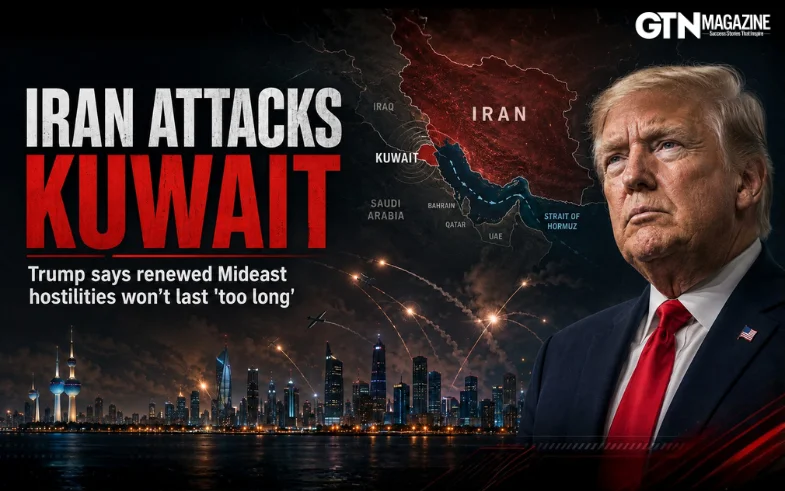
The decline came a day after US President Donald Trump and Iranian President Masoud Pezeshkian signed a peace agreement intended to halt hostilities and begin a 60-day negotiation process over Tehran's nuclear programme and regional security issues.
Market sentiment was further pressured by the IEA's latest monthly oil market report, which projected a substantial increase in global crude supply if the agreement holds and Iranian oil flows continue to recover.
"Our first look at 2027 balances shows a significant overhang emerging next year," the Paris-based agency said, warning that production growth could outpace demand growth across global markets.
The agency estimates global oil supply will average 102.4 million barrels per day in 2026 before increasing sharply to 110.3 million barrels per day next year, driven by stronger output from major producers and the potential return of additional Iranian exports.
The peace agreement has eased concerns over disruptions in the Strait of Hormuz, one of the world's most important energy transit routes. During the conflict, fears of supply interruptions had pushed oil prices higher and raised concerns about global inflation and energy security.
However, uncertainty remains over the durability of the agreement.
Speaking after the signing ceremony, Trump warned that military action could resume if Iran fails to comply with the terms of the deal.
"We're going to bomb the hell out of them if they violate the agreement," Trump told reporters, while expressing hope that Tehran would honour its commitments.
Analysts said the comments highlight the fragile nature of the ceasefire despite the positive market reaction.
Lower crude prices could provide some relief for consumers and central banks struggling with elevated inflation. However, economists caution that energy markets remain vulnerable to geopolitical developments and supply-chain disruptions.
"Oil remains above pre-conflict levels, shipping normalization will take time, and inventories and strategic reserves still need to be replenished," analysts at New York Life Investment Management said in a market note.
Investors are now shifting their focus from geopolitical tensions to the broader supply-demand outlook, with expectations that additional barrels entering the market could place further downward pressure on prices over the coming year.
Market participants will also closely monitor progress in US-Iran negotiations, as well as production decisions by major oil-producing nations, for further direction on crude prices.
More News:-