Global logistics companies are accelerating investments in temperature-controlled transportation and storage as surging demand for GLP-1 weight-loss medicines drives rapid growth in healthcare logistics.
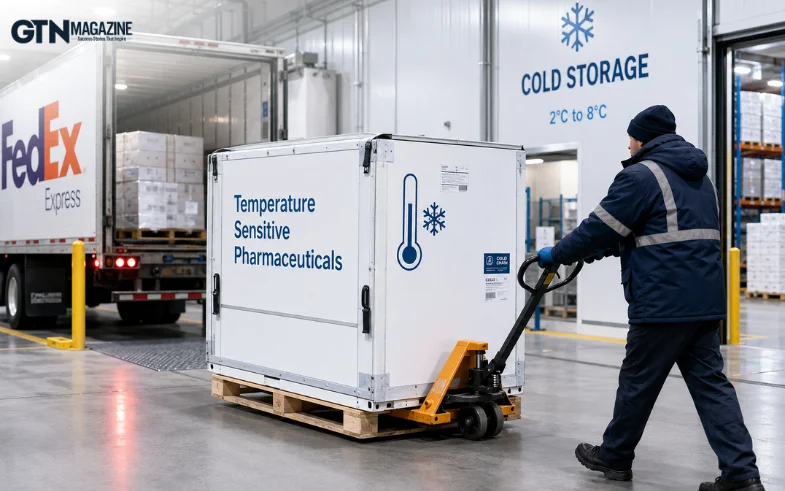
Companies including UPS, FedEx, DHL Supply Chain and C.H. Robinson are expanding refrigerated warehouses, specialized transportation services and digital monitoring systems to meet rising pharmaceutical shipping requirements.
UPS announced in June that it will invest $48 million to expand temperature-controlled facilities as demand for biologic medicines and specialty treatments continues to increase.
The company said healthcare has become one of its fastest-growing businesses. During the first quarter of 2026, UPS generated its first $3 billion quarterly healthcare revenue, reflecting stronger demand from pharmaceutical customers.
"The biggest opportunity we see is supporting more specialized therapies and care delivered outside traditional healthcare settings," UPS Healthcare President John Bolla said.
Most injectable GLP-1 medicines, including Ozempic, Wegovy, Mounjaro and Zepbound, require refrigerated transportation to maintain their effectiveness.
The growing use of these medicines has increased pressure on logistics providers to maintain strict temperature controls throughout storage and delivery.
According to a Gallup survey released in July, 11% of Americans reported using GLP-1 medications for weight loss in 2026, compared with 3% in 2024.
The U.S. Food and Drug Administration has warned that medicines exposed to improper temperatures during shipping may lose their effectiveness and should not be used if delivered without adequate refrigeration.
FedEx has also expanded its healthcare operations by launching a dedicated life sciences organization focused on pharmaceutical transportation.
The company said healthcare transportation generated nearly $10 billion in revenue during fiscal 2026.
"We're building end-to-end solutions focused on global pharmaceutical customers," FedEx President of Healthcare Nick Gennari said, adding that artificial intelligence and predictive monitoring are helping improve shipment visibility across its network.
C.H. Robinson said its healthcare logistics business has surpassed $1 billion in annual revenue, driven largely by increased demand for refrigerated pharmaceutical transportation.
The company said newer medicines often have shorter shelf lives and require more precise delivery schedules, increasing pressure on existing cold-chain infrastructure.
DHL Supply Chain is also expanding its healthcare business as pharmaceutical companies increasingly outsource warehousing and distribution.
The company has committed 2 billion euros ($2.25 billion) to healthcare logistics investments through 2030, with half allocated to operations in the Americas.
DHL Chief Executive Officer Hendrik Venter said artificial intelligence is helping monitor pharmaceutical shipments by tracking temperatures and identifying potential risks before they affect product quality.
Industry forecasts indicate the global market for temperature-sensitive biologic medicines will continue expanding over the next decade, increasing demand for specialized logistics services.
The COVID-19 pandemic significantly accelerated investment in cold-chain infrastructure as vaccine distribution highlighted the importance of temperature-controlled transportation. Analysts say the rapid growth of GLP-1 therapies and other biologic medicines is now driving the next phase of expansion in healthcare logistics.
Must Read:-