The United States and Iran have agreed on a roadmap aimed at reaching a comprehensive agreement within the next 60 days, marking a significant step forward in diplomatic efforts to reduce tensions across the Middle East and establish a framework for long-term stability.
The breakthrough emerged during high-level negotiations held at the Lake Lucerne Summit in Switzerland, where representatives from both countries met with mediators from Qatar and Pakistan to advance discussions on nuclear issues, sanctions relief, regional security, and conflict de-escalation.
According to a joint statement issued by the mediating nations, the talks were conducted in a constructive atmosphere and resulted in several important developments designed to move negotiations toward a final agreement.
New Oversight Committee to Guide Negotiations
One of the key outcomes of the summit was the creation of a High-Level Committee that will oversee the mediation process and provide political guidance as negotiations continue.
The committee will receive regular reports from chief negotiators and supervise specialized working groups focused on nuclear issues, sanctions implementation, and dispute resolution. Officials involved in the talks said the structure is intended to accelerate technical discussions and improve coordination between all parties.
Diplomatic sources described the move as an important step toward maintaining momentum and ensuring that commitments made during the negotiations are translated into practical actions.
Lebanon Becomes Early Test of the Agreement
Negotiators also agreed to establish a deconfliction mechanism involving the United States, Iran, and Lebanon, with Qatar and Pakistan acting as facilitators.
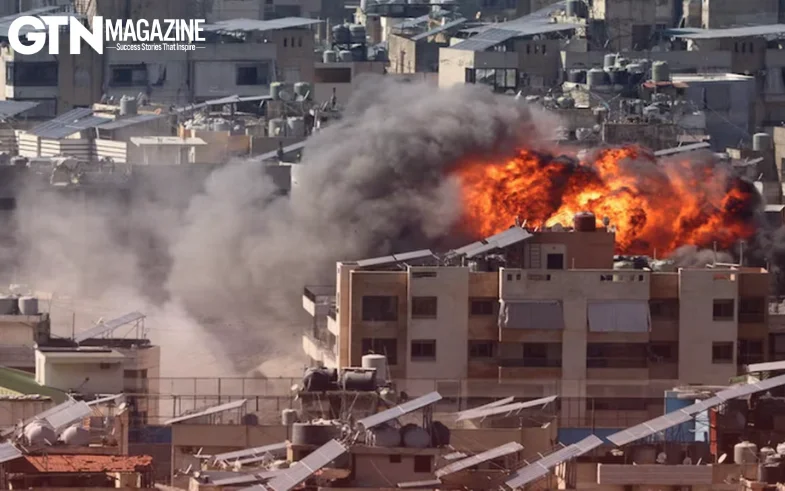
The initiative is designed to support the complete cessation of military operations in Lebanon and prevent future escalations that could threaten broader regional stability.
Iranian Foreign Minister Abbas Araghchi described the Lebanon mechanism as a major achievement of the negotiations and suggested that its success would serve as the first major indicator of whether the wider diplomatic process can deliver lasting results.
Analysts believe the Lebanon issue remains one of the most sensitive elements of the talks, given the continued tensions involving Iran-backed Hezbollah and ongoing security concerns in the region.
Progress on Sanctions and Economic Relief
Iranian officials indicated that the discussions produced progress on several economic issues, including measures related to oil exports, petrochemical trade, access to frozen financial assets, and future reconstruction initiatives.
Tehran has long argued that sanctions relief remains essential for any sustainable agreement, while U.S. negotiators continue to seek assurances regarding Iran's nuclear activities and regional commitments.
Although no final sanctions agreement has been announced, both sides acknowledged that discussions on economic measures are advancing alongside security negotiations.
Focus Remains on Nuclear Program
Vice President JD Vance led the U.S. delegation during the latest round of talks and expressed optimism regarding the ongoing negotiations.
Speaking to reporters, Vance said discussions had covered all major components of a potential nuclear agreement, including mechanisms to prevent Iran from rebuilding its nuclear capabilities.
He stated that negotiators are working to secure and monitor Iran's enriched uranium stockpile while creating verification measures that would strengthen compliance and transparency.
American officials also emphasized that technical negotiations would continue throughout the week as experts work through complex issues surrounding sanctions, nuclear oversight, and regional security arrangements.
Strait of Hormuz Concerns Remain
The negotiations took place amid renewed concerns regarding the Strait of Hormuz, one of the world's most strategically important shipping routes.
Recent reports suggested that Iranian military officials had threatened to close the waterway following regional tensions. However, U.S. military officials rejected those claims and maintained that the strait remains open to international shipping.
Earlier agreements between the parties included commitments to keep the Strait of Hormuz accessible for commercial traffic while broader diplomatic efforts continue.
Officials from both sides acknowledged that ensuring maritime stability remains a critical component of any future agreement.
Path Toward a Final Agreement
While significant differences remain, the latest round of talks has produced the clearest roadmap yet toward a potential settlement between Washington and Tehran.
With technical discussions scheduled to continue throughout the week, negotiators are now focused on transforming political commitments into a formal agreement that could reshape regional dynamics and reduce tensions that have persisted for years.
If successful, the proposed 60-day roadmap could pave the way for a broader diplomatic breakthrough encompassing nuclear oversight, economic cooperation, regional security, and the end of military hostilities in Lebanon.
More News:-