


The global aviation industry has reported its strongest financial performance in recent years, with the world's nine most profitable airlines collectively generating more than $25 billion in net earnings. While the results highlight a remarkable recovery in international air travel, industry leaders warn that geopolitical tensions and rising operating costs could reshape the sector's financial outlook in the months ahead.
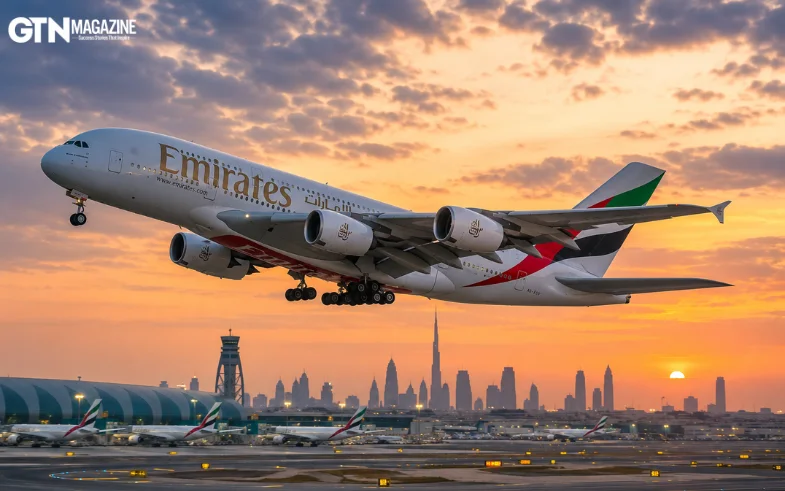
Leading the rankings for the second consecutive year is Dubai-based Emirates, which posted a record $5.4 billion in net profit, marking the highest annual earnings in the airline's history. The achievement reflects continued demand for international travel and strong operational performance across its global network.
Despite the milestone, Emirates acknowledged that regional instability affected operations during the closing weeks of its reporting period. Temporary airspace restrictions and disruptions across the Gulf region created operational challenges, although the airline maintained overall profitability.
Among North American carriers, Delta Air Lines secured second place with approximately $5 billion in net earnings, followed by United Airlines, which reported profits of around $3.4 billion.
Europe's largest low-cost carrier, Ryanair, continued its strong financial momentum by recording profits exceeding €2.2 billion, supported by higher passenger demand and stronger ticket pricing throughout the year.
Turkish Airlines also remained among the world's most profitable carriers, generating approximately $2.4 billion in earnings despite facing increased operational expenses and regional uncertainties.
Other airlines featured in the global rankings include Singapore Airlines, Qatar Airways, Cathay Pacific, and Japan's ANA Holdings, each reporting solid profitability while navigating changing market conditions.
Singapore Airlines' reported profit included a significant one-time accounting gain related to the merger of Air India and Vistara. Excluding this non-operational adjustment, the airline's underlying earnings remained strong but lower than the headline figure.
Although the latest financial results demonstrate the resilience of the aviation industry, analysts believe the operating environment has become considerably more challenging since the reporting period ended.
Escalating geopolitical tensions in the Middle East have disrupted several international flight routes, forcing airlines to reroute aircraft, extend flight times, and absorb higher operating costs. At the same time, volatility in global energy markets has pushed aviation fuel prices higher, placing additional pressure on airline profitability.
Fuel remains one of the industry's largest operating expenses, accounting for nearly one-quarter of total airline costs. While several carriers have protected themselves through fuel hedging strategies, others continue to face uncertainty as oil markets remain volatile.
Industry observers believe airlines with diversified global networks, strong cash reserves, and efficient cost management will be better positioned to navigate the evolving market environment.
Despite concerns surrounding fuel prices and geopolitical risks, passenger demand for international travel remains robust, supported by continued recovery in tourism and business travel. However, aviation experts caution that maintaining current profit levels will become increasingly difficult if global instability persists.
The coming financial year is expected to test the industry's resilience as airlines balance growing demand with rising operational costs and an unpredictable geopolitical landscape.
Must Read:-