

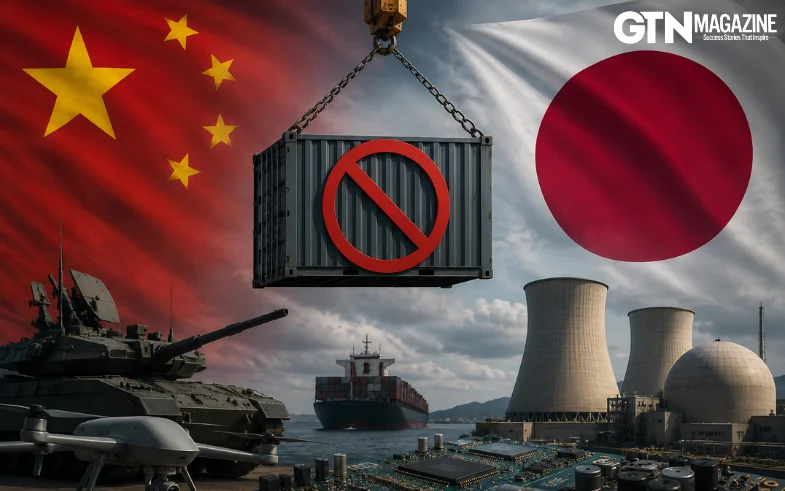
China has expanded its export control measures against Japanese organizations by blacklisting four government-linked defense research institutes and tightening restrictions on dozens of companies involved in the defense, drone, and nuclear sectors, further escalating trade tensions between the two countries.
The latest measures, announced Monday by China's Ministry of Commerce, immediately prohibit Chinese exporters and foreign individuals or organizations from supplying Chinese-origin dual-use goods to 20 entities placed on the country's export control list.
Among those targeted are Japan's National Institute for Defense Studies, research centers focused on ground, naval and air defense systems, as well as several business units of Mitsubishi Electric and Mitsubishi Heavy Industries.
In a separate move, Beijing added another 20 Japanese organizations to a watch list that subjects exports to stricter licensing reviews. The newly listed entities include drone manufacturer Terra Drone Corporation, Mitsui E&S, nuclear fuel processing companies, and several units of OKI Electric Industry.
China said exports involving military users, military applications, or any end use that could enhance Japan's defense capabilities would not be approved under the strengthened regulations.
The latest restrictions mark a further escalation of a campaign launched earlier this year. In January, China banned exports of dual-use items to Japanese military users. Additional restrictions introduced in February placed several Japanese defense and technology companies under similar export controls and enhanced licensing requirements.
The Ministry of Commerce linked the latest actions to growing security concerns, accusing Japan of expanding its military capabilities and pursuing what it described as "new-style militarism."
In a statement, the ministry said Japan had shown "no remorse" following the earlier restrictions and had instead accelerated the deployment of offensive military equipment and overseas missile activities. Beijing urged Tokyo to "turn back from the wrong path" while maintaining that the new measures would not disrupt normal commercial trade between the two countries and that law-abiding Japanese businesses had no reason for concern.
The latest move comes against the backdrop of worsening diplomatic relations between Beijing and Tokyo following comments made by Japanese Prime Minister Sanae Takaichi in November, when she suggested that a Chinese military action against Taiwan could prompt a response from Japan. The remarks drew strong criticism from Chinese officials and further strained bilateral ties.
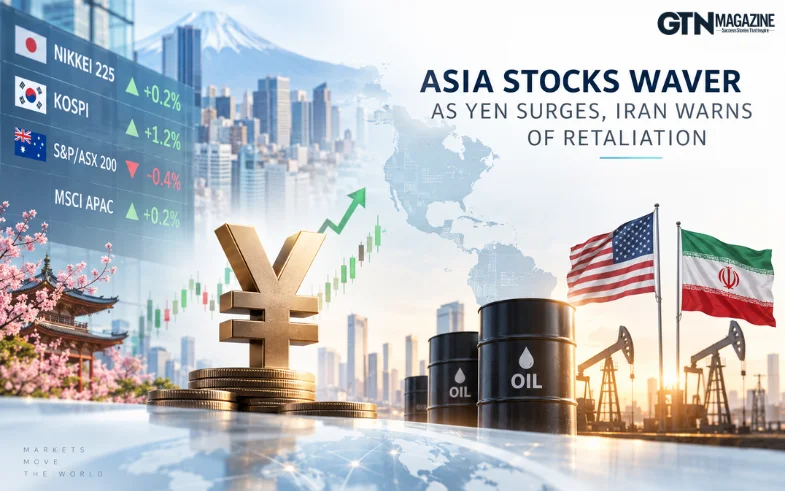
Financial markets showed mixed reactions following the announcement. Shares of Mitsubishi Electric declined during trading, while Mitsubishi Heavy Industries posted gains despite being among the companies affected by the expanded export restrictions.
The new controls add another layer of uncertainty to China-Japan trade relations as geopolitical tensions continue to reshape technology, defense, and industrial supply chains across the Asia-Pacific region.