

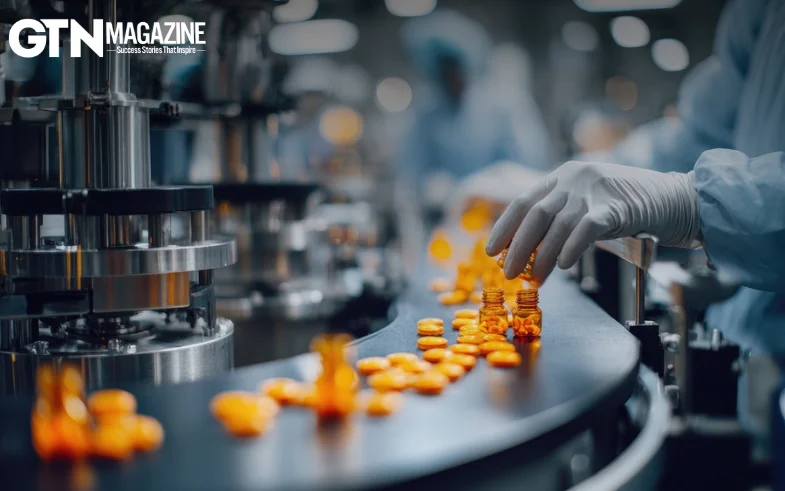
Dubai: Global pharmaceutical supply chains are facing increasing strain due to geopolitical conflicts, shipping disruptions, and manufacturing limitations, according to a new report released by Moody's. The report highlighted growing concerns over medicine availability, rising procurement costs, and delays in pharmaceutical deliveries worldwide. Industry experts warn that continued disruptions could impact healthcare systems, especially in import-dependent countries such as the United Arab Emirates.
Red Sea Crisis Disrupts Pharma Logistics
According to Moody’s, disruptions in Red Sea shipping routes during the 2023-2024 crisis significantly affected global pharmaceutical logistics. Several major container shipping companies either reduced or suspended operations through the Suez Canal corridor following attacks on commercial vessels.
As a result, shipping traffic through the canal reportedly dropped by nearly two-thirds. Cargo vessels were rerouted around the Cape of Good Hope, increasing travel distances and delivery times by almost two weeks.
The report noted that Indian pharmaceutical exporters, particularly generic medicine manufacturers supplying Europe and international markets, were among the hardest hit.
“Shipping costs more than doubled, while lead times stretched considerably,” the report stated, adding that the just-in-time manufacturing model left limited room to absorb delays.
Dependence on India and China Raises Vulnerability
Moody’s also pointed to the pharmaceutical sector’s heavy reliance on India and China for active pharmaceutical ingredients (APIs) and raw materials.
India remains a key supplier of generic medicines globally, while also depending heavily on Chinese bulk drug imports. The report warned that this interconnected structure creates significant vulnerabilities across global supply chains.
The report added that ongoing tensions involving Iran are generating additional pressure on the pharmaceutical network, particularly affecting Indian-sourced APIs.
For the UAE and other import-reliant healthcare markets, disruptions in Asia’s manufacturing and shipping hubs could directly impact medicine imports, hospital inventories, and pharmacy supply chains.
Rising Trade Tensions Could Increase Drug Costs
Moody’s further warned that growing trade tensions and proposed tariffs could push pharmaceutical prices higher across international markets.
The report referenced a proposed 25% US pharmaceutical import tariff, which could add billions of dollars to annual drug costs and increase consumer prices for commonly used medicines.
Manufacturers have already reported rising production costs for drugs such as amoxicillin, acetaminophen, and metformin. Freight expenses also surged during recent shipping disruptions.
Shipping rates from China to the US West Coast reportedly climbed from $3,500 to $6,500 per container during the crisis period.
Manufacturing Capacity Remains Limited
The report stressed that global pharmaceutical manufacturing networks have limited flexibility during emergencies.
Many sterile injectable and high-volume generic drug facilities are already operating above 80% capacity, leaving little room to compensate for sudden shutdowns or supply interruptions.
Moody’s cited the 2023 collapse of Akorn Pharmaceuticals as an example of how quickly shortages can spread. Regulatory requirements forced the recall of its entire product portfolio, creating immediate supply gaps across multiple therapeutic categories.
The report added that replacing lost production capacity can take between 12 and 24 months due to strict regulatory approvals and manufacturing requirements.
Shift Toward Supply Chain Resilience
Moody’s concluded that pharmaceutical companies are increasingly being forced to redesign supply chain strategies that previously focused mainly on cost efficiency.
The agency said diversification of suppliers, alternative trade routes, and regionalized manufacturing could become critical for improving resilience in an increasingly volatile global environment.
“Companies that treat disruptions as isolated incidents may remain exposed,” the report warned.
More News:-