


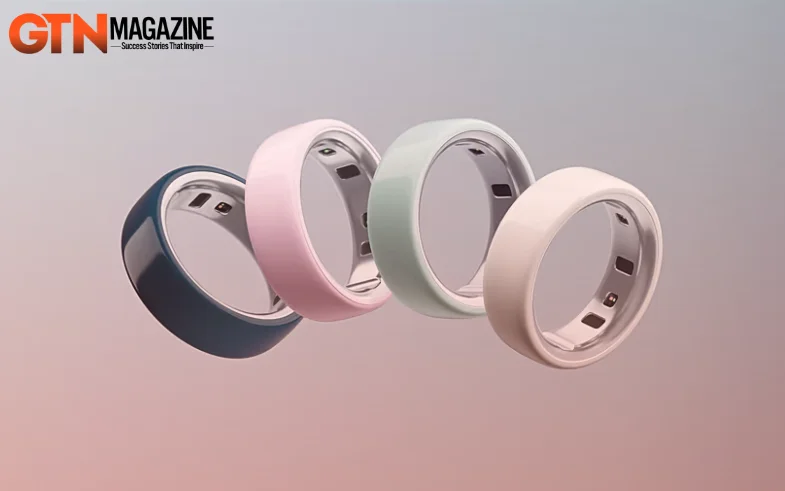
Finnish wearable technology company Oura is preparing for a major Wall Street debut that could position it among the most valuable European technology listings of the year. The company behind the widely recognized Oura Ring has reportedly confidentially filed draft paperwork with the US Securities and Exchange Commission for a proposed initial public offering.
Although the company has not publicly disclosed the number of shares or pricing details, industry reports indicate that Oura’s latest funding round in late 2025 valued the business at approximately $11 billion, or around €9.5 billion. The valuation represents a dramatic increase from its earlier $5 billion valuation recorded in 2024, highlighting the rapid growth of the wearable health technology sector.
Oura’s rise reflects the growing global demand for personal health monitoring devices that combine advanced biometric tracking with user-friendly design and artificial intelligence-driven insights.
The company’s flagship product, the Oura Ring, has gained international popularity by offering consumers an alternative to traditional smartwatches and fitness bands. Unlike larger wearable devices, the smart ring provides discreet health monitoring focused on sleep quality, recovery, stress levels, heart rate, readiness, and overall wellness.
According to Oura CEO Tom Hale, the company had sold more than 5.5 million smart rings by the end of the third quarter of last year. Hale also projected that the business could generate approximately $2 billion in annual revenue during 2026, a remarkable jump from the $500 million revenue level reported only two years earlier.
The planned IPO comes at a time when investor interest in consumer health technology appears to be strengthening again after a period of uncertainty across the broader wearable market.
While major technology companies such as Apple, Samsung, and Garmin continue to dominate the smartwatch industry, Oura has successfully established itself as a category leader in the emerging smart ring segment.
Industry analysts believe Oura’s competitive advantage lies not only in its hardware but also in its growing software and subscription ecosystem. Over the past two years, the company has expanded aggressively into AI-powered health analytics and personalized wellness services.
Its platform increasingly focuses on long-term health insights, using artificial intelligence to interpret physiological data and provide customized recommendations for recovery, sleep optimization, stress management, and overall performance.
The company has also intensified its focus on women’s health technologies and AI-based personal coaching features, areas considered to have significant long-term growth potential within the digital health market.
Analysts suggest that this transition from a hardware-focused company into a subscription-driven health technology platform could become one of the central themes of Oura’s IPO strategy. Reports indicate that the company is currently on track to surpass five million paid subscribers, further strengthening its recurring revenue model.
Beyond the financial implications, Oura’s IPO also represents an important moment for Europe’s technology ecosystem.
Originally founded in Finland, the company built its early reputation around scientific research related to sleep tracking, biometric monitoring, and recovery analysis. Over time, Oura evolved from a Nordic startup into a globally recognized consumer technology brand.
However, the company recently transitioned into a US-based parent structure under Oura Inc., headquartered in San Francisco, while maintaining significant European operations. The move was designed to improve access to American venture capital markets and strengthen relationships with global investors.
Its decision to pursue a US stock market listing instead of a European exchange reflects a wider trend among high-growth European technology companies seeking deeper liquidity, larger investor pools, and stronger market visibility in the United States.
The development has also renewed discussions about Europe’s ability to retain its most successful technology businesses as they mature and prepare for public markets.
Oura’s planned listing arrives during a period of renewed debate over the future of wearable technology.
While smartwatch growth has become increasingly competitive and saturated, smart rings remain a relatively new and rapidly expanding category. Consumer interest has accelerated significantly as users seek less intrusive health-monitoring devices with longer battery life and continuous biometric tracking capabilities.
Industry observers believe Oura’s public market debut could provide one of the clearest indicators yet of how investors value the next generation of AI-powered health wearables that combine hardware, subscription services, and advanced data analytics into a single ecosystem.
If successful, the IPO could further solidify Oura’s position as one of Europe’s most influential consumer technology success stories while reshaping investor confidence in the future of digital health and wearable innovation.
More News:-